
News
Stranger Things Finale in Theaters Was a $25M+ Concession Heist, and Netflix Didn’t Even Touch the Cash
Netflix’s “Stranger Things” finale just turned movie theaters into a concession-fueled cash machine, proving streaming can dominate the big screen without sharing ticket revenue, and forcing Hollywood to rethink theatrical windows as Netflix’s Warner Bros. ambitions loom.


Netflix just pulled off a move that would make a studio-era mogul grin: the “Stranger Things” series finale stormed U.S. theaters over New Year’s Eve and New Year’s Day, driving more than $25 million in concession-related revenue, while Netflix walked away without taking a penny of “box office” because, technically, there wasn’t any.
That’s not just a quirky stunt. It’s a stress test for the future of theatrical exclusivity, the power of fandom as a business model, and Netflix’s long-running tug-of-war with exhibitors. And yes, it’s also a reminder that theaters do not actually sell movies. They sell sugar, salt, and the privilege of being in the room when culture happens.
Background: Netflix vs Theaters Has Always Been About Control
For years, Netflix has treated theaters like a nice outfit you wear to awards season: useful for prestige, optional for the main event. The traditional model relies on a simple bargain: theaters get an exclusivity window long enough to justify the trip, and studios get a marketing crescendo that turns opening weekend into a global ritual.
Then streaming arrived and rewired audience behavior. Post-pandemic, Hollywood’s “exclusive window” shrank dramatically in practice, with many releases settling into a roughly 45-day rhythm, and sometimes less depending on performance.
Here’s the part people love to forget: exhibitors helped create the slippery slope. In 2020, AMC struck a deal with Universal that allowed PVOD releases after as little as 17 days for lower-opening films (and 31 days for bigger ones), normalizing the idea that theatrical exclusivity could be negotiated down like a cable bill.
So when Netflix shows up with a “Stranger Things” finale in theaters, it’s not just fan service. It’s the latest move in an industry-wide re-argument over who sets the rules: studios, streamers, or the chains that still control the physical venues.
News Details and Analysis: The Voucher Trick That Turned Seats Into Snacks
The key detail is the loophole. Instead of selling tickets in a normal way, many screenings were structured around mandatory concession vouchers, essentially making your “admission” a food-and-beverage credit. AMC explicitly framed it that way: fans reserved seats by purchasing a $20 credit redeemable at concessions on the day of the show.
That’s how you get a headline like this: over 1.1 million seats sold across more than 600 theaters, with concession revenue estimates landing in the $20 million to $30 million range depending on the report.
AMC alone reportedly pulled in about $15 million, with roughly 753,000 attendees across 231 locations. That’s not a movie release, it’s a retail operation disguised as cinema.
And the pricing variation was pure pop culture theater-kid genius: some chains reportedly charged $11, a cheeky nod to Eleven, while AMC and others hit $20. This is what happens when fandom meets dynamic pricing: the fans feel seen, the chains get paid, and Netflix gets the cultural victory lap.
Editor’s Take: This is Netflix weaponizing its greatest strength: eventization. The finale wasn’t competing with other films. It was competing with your living room. And it won by turning the screening into a social ritual. If you watched “Stranger Things” from day one, the theater becomes less about image quality and more about communion, laughing and gasping in sync with strangers who somehow feel like your people.
AMC CEO Adam Aron called the whole thing an “absolute triumph” and emphasized that demand forced them to add showtimes aggressively. Of course he did. Theaters finally got a Netflix collaboration where they keep essentially all the direct consumer dollars tied to attendance.
Editor’s Take: The funniest part is how clean the optics are for Netflix. No box office reporting headaches, no “Netflix doesn’t release numbers” arguments, no weekend-gross scoreboard where they can be compared to traditional releases. Theaters get to brag, Netflix gets to say “look how much you love our IP,” and everyone avoids the one metric that would invite uncomfortable comparisons.
The Bigger Play: This Was a Message About Theatrical Windows
The real industry tension is not whether Netflix can fill theaters. It’s whether Netflix will ever respect the length of theatrical windows the chains want.
Exhibitors like AMC have argued that around 45 days is the minimum workable exclusivity for major films, and they’ve publicly pushed back on shorter windows. Meanwhile, the industry has already been trained into faster turnarounds, with 17- and 30-day patterns becoming part of the conversation since the pandemic era.
Now layer in the corporate chess: multiple outlets are framing this “Stranger Things” theatrical stunt as arriving alongside Netflix’s push to acquire Warner-related assets, which would bring inherited theatrical obligations and relationships with filmmakers who expect big-screen runs.
The Verge’s running coverage describes a deal to acquire Warner Bros. assets and notes that Netflix leadership has used “industry-standard windows” language, while the industry argues endlessly about what “standard” even means now.
Editor’s Take: “Industry-standard” is the slipperiest phrase in Hollywood. It can mean “45 days” when you’re talking to theater chains, and “whatever we can get away with” when you’re talking to Wall Street. Netflix is smart enough to keep the wording elastic until the contracts force the truth.
This “Stranger Things” weekend also suggests a hybrid future: streaming-first companies can still throw theatrical parties, but they may prefer limited engagements, short windows, or special-event models that avoid traditional revenue splits and reporting norms.
That may sound like a win-win, but it carries a quieter threat: if the “theatrical experience” becomes a series of branded pop-up events, theaters risk becoming venues for IP spectacles rather than homes for a broad slate of movies.
Industry Impact and Forecast: What Happens If This Scales?
Let’s talk consequences.
1) Theaters will chase more “event cinema” like it’s oxygen
If a two-day TV finale can generate tens of millions in concession-driven revenue, exhibitors will aggressively pursue similar partnerships: season premieres, finales, concert films, anime nights, gaming championships, you name it. AMC’s own press release language basically begs for more Netflix collaborations.
Prediction: Expect more limited-run “fan screenings” where the economic engine is concessions, merch, premium seating, and upsells, not a traditional ticket split.
2) Studios may rethink how they monetize finales and franchise moments
A series finale used to be pure subscriber retention. Now it can also be an incremental revenue stream for partners and a marketing blast that makes the streaming drop feel like a holiday.
Prediction: Big franchise streamers will increasingly treat finales like mini movie releases, especially when the fanbase skews social and spoiler-sensitive.
3) Awards strategy will get weirder
For feature films, theatrical runs can be tied to awards eligibility and prestige. For TV finales, awards aren’t the point. But Netflix loves the optics of “the big screen,” and filmmakers love the idea of their work playing in theaters.
Prediction: Theatrical “event” screenings will be used as prestige signaling, even when the real business value is marketing and retention.
4) The Warner question changes everything
If Netflix truly inherits a major studio’s theatrical machine, the window debate stops being theoretical. The chains will demand clarity, filmmakers will demand robust releases, and Netflix will try to preserve its streaming-first advantage.
Prediction: Netflix will experiment with tiered windows: longer for tentpoles that need filmmaker goodwill and global marketing, shorter for mid-budget titles where speed back to streaming is the point. Expect constant renegotiation, and expect theaters to threaten showtime reductions when they feel squeezed.
Box office expectations, if this becomes a real “format”
If Netflix converted even a handful of its biggest shows into annual theatrical events, the numbers could be massive, but also fragile. The magic here was scarcity and cultural timing (New Year’s Eve), plus a finale that people feared being spoiled on.
Prediction: This model works best for rare, communal moments: finales, reunions, special episodes, and franchise “chapters.” If it becomes routine, it stops being an event and starts being an obligation, and audiences drop off fast.
The Real Takeaway: Netflix Proved It Can Own the Room Without Playing by the Old Rules
This weekend wasn’t about whether streaming can coexist with theaters. It was Netflix showing it can dominate theatrical conversation while sidestepping the traditional economic structure entirely, letting theaters keep the concession cash and keeping its own hands clean.
That’s brilliant, slightly ruthless, and very on-brand.
The question isn’t “does this help theaters?” It’s “does this train audiences to think theatrical is an occasional IP party rather than the default way to experience movies?”
Reader Question: Where Do You Want This to Go?
If Netflix and other streamers keep turning major episodes and finales into limited theatrical events, do you see it as a lifeline that brings people back to theaters, or a slippery shift that reduces theaters to pop-up venues for the biggest IP moments?


News
Star Trek: Strange New Worlds Season 4 Is Coming to Paramount+ This Summer
Star Trek: Strange New Worlds Season 4 premieres July 23, 2026 on Paramount+. Paul Wesley returns as Kirk alongside Anson Mount in the penultimate season of the beloved series.

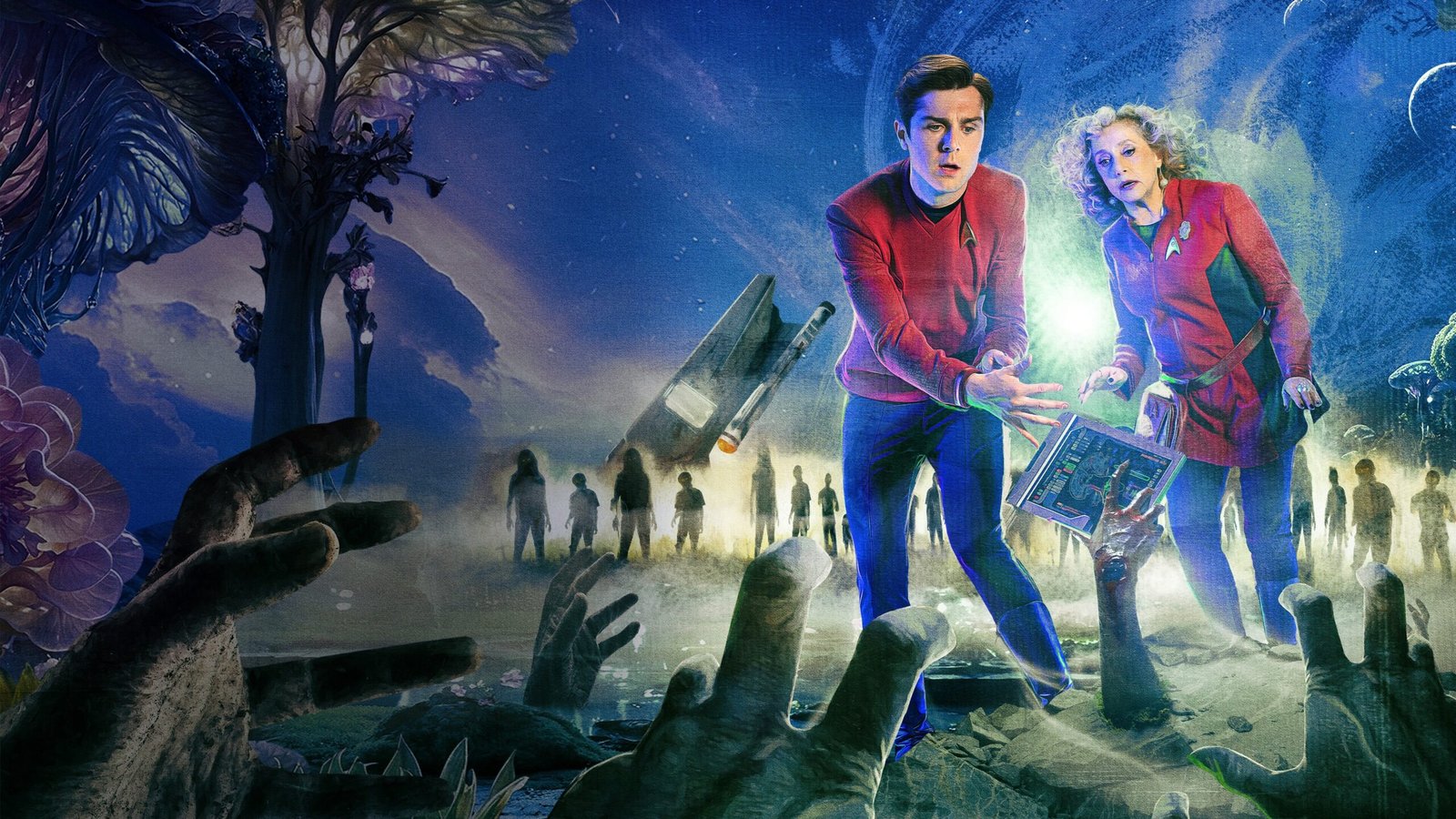
One of Paramount+’s most beloved flagship series is returning this summer. Star Trek: Strange New Worlds Season 4 premieres on July 23, 2026, on Paramount+, with new episodes dropping every Thursday through September 24. The season was officially announced at CCXP Mexico in April, where cast members dropped the exciting premiere date to a crowd of thrilled fans. With the fifth and final season already in production, Season 4 is shaping up to be a pivotal chapter in the series’ legacy.
What Makes Strange New Worlds Special?
Strange New Worlds is set aboard the USS Enterprise before the events of the original Star Trek series, following the adventures of Captain Christopher Pike and his crew. Unlike many modern Star Trek shows, Strange New Worlds embraced a classic episodic format from the very beginning — each episode largely standalone, exploring a new world, new challenge, or new moral dilemma. This approach was widely celebrated by longtime fans and newcomers alike, earning the series some of the best reviews in the franchise’s recent history.
The Cast Returning for Season 4
Anson Mount returns as Captain Pike, alongside Rebecca Romijn as Number One, Ethan Peck as Spock, Celia Rose Gooding as Uhura, and Jess Bush as Nurse Chapel. Crucially, Paul Wesley, who first appeared as James T. Kirk in the Season 1 finale, is confirmed to return in Season 4 — a development that has generated enormous excitement among fans eager to see more of his interpretation of the iconic character.
Season 4 Teaser and What to Expect
The official Season 4 teaser trailer was unveiled at CCXP Mexico on April 25, 2026, offering fans their first glimpse of what is to come. Season 4 will consist of 10 episodes, continuing the weekly release format that has defined the series. The season is expected to continue the show’s tradition of blending science fiction adventure with character-driven drama, philosophical questions, and the occasional genre-bending episode that Strange New Worlds has made its signature.
The Road to the Final Season
In a bittersweet piece of news announced alongside Season 3’s premiere in 2025, Paramount+ confirmed that a sixth-episode fifth season would serve as the series finale, bringing Strange New Worlds to a planned and deliberate conclusion. This means Season 4 is the penultimate chapter — and likely the season where the series begins to lay the groundwork for its farewell. For fans of the show, this creates a sense of urgency and emotional investment that makes Season 4 one of the most anticipated Star Trek events in years.
How to Watch and Release Schedule
Star Trek: Strange New Worlds Season 4 launches on July 23, 2026 exclusively on Paramount+. New episodes will arrive every Thursday through September 24, 2026. The series is available on Paramount+ in the US and on partner services internationally. If you are new to Strange New Worlds, all three previous seasons are currently streaming and make for essential viewing before Season 4 arrives.
Set your phasers to excited. Strange New Worlds Season 4 is just around the corner.
News
Sugar Season 2: Colin Farrell Returns to Apple TV+ With a New Mystery
Sugar Season 2 premieres June 19, 2026 on Apple TV+. Colin Farrell returns as John Sugar with a new missing persons case spiraling into a citywide conspiracy.

After a two-year wait, one of Apple TV+’s most stylish and surprising dramas is finally returning. Sugar Season 2 premieres on June 19, 2026, on Apple TV+, with one episode launching on premiere day and new installments dropping every Friday through August 7. Colin Farrell is back as John Sugar, Los Angeles’ most compelling private detective, and the stakes are higher than ever before.
What Is Sugar About?
Sugar is a contemporary, neo-noir take on the private detective story — filtered through a deep love of classic Hollywood cinema. John Sugar is a PI unlike any other: meticulous, melancholy, and deeply humane, with an encyclopedic knowledge of film history. Season 1 rocked audiences with a genuinely shocking mid-season revelation that recontextualized everything they had seen. Season 2 picks up in the aftermath of that revelation, with Sugar navigating a world that has become more dangerous and more personal than ever.
Season 2’s New Case
In the second season, Sugar takes on a new missing persons case — searching for the older brother of an up-and-coming local boxer. The investigation quickly expands into a citywide conspiracy with sinister intentions, involving two immigrants from Korea who are caught in its crosshairs. While pursuing this new case, Sugar also continues his desperate search for his beloved missing sister. The two storylines weave together in ways that force Sugar to ask himself one central question: how far will he go to do what is right?
New Cast Members Joining Season 2
Season 2 introduces an exciting array of new stars alongside Farrell. Jin Ha, Raymond Lee, Tony Dalton, Laura Donnelly, and Sasha Calle all join the cast in key roles. Their addition broadens the world of Sugar significantly — bringing new energy and new complications to a series that has always excelled at subverting expectations. Sam Catlin returns as showrunner, having taken over from the first season’s creative team.
Why You Should Be Watching Sugar
Sugar stands apart from the typical prestige drama for several reasons. It combines the pleasures of classic detective fiction with a genuine emotional weight, and Colin Farrell‘s performance is nothing short of revelatory — quiet, expressive, and utterly committed to the character’s strange interiority. The show also has an unmatched visual style, drawing on the aesthetics of golden-age Hollywood while placing its story firmly in the anxious, sun-drenched landscape of contemporary Los Angeles. Season 1 ended with a cliffhanger that begged for resolution, and Season 2 is positioned to deliver something even more ambitious.
Release Schedule and How to Watch
Sugar Season 2 launches on June 19, 2026 on Apple TV+. Following the premiere episode, new installments will arrive every Friday through August 7, 2026, for a total of eight episodes. The series is available exclusively via Apple TV+, which can be accessed on a wide range of devices. If you have not yet watched Season 1, now is the perfect moment to catch up before the new episodes begin.
John Sugar is back in Los Angeles, and the city has never looked more beautiful or more dangerous. Do not miss it.
News
Silo Season 3 on Apple TV+: Split Timelines, New Cast, and Everything We Know
Silo Season 3 premieres July 3, 2026 on Apple TV+. A split timeline exploring the silo’s origins, a stellar new cast, and Rebecca Ferguson back at her best.
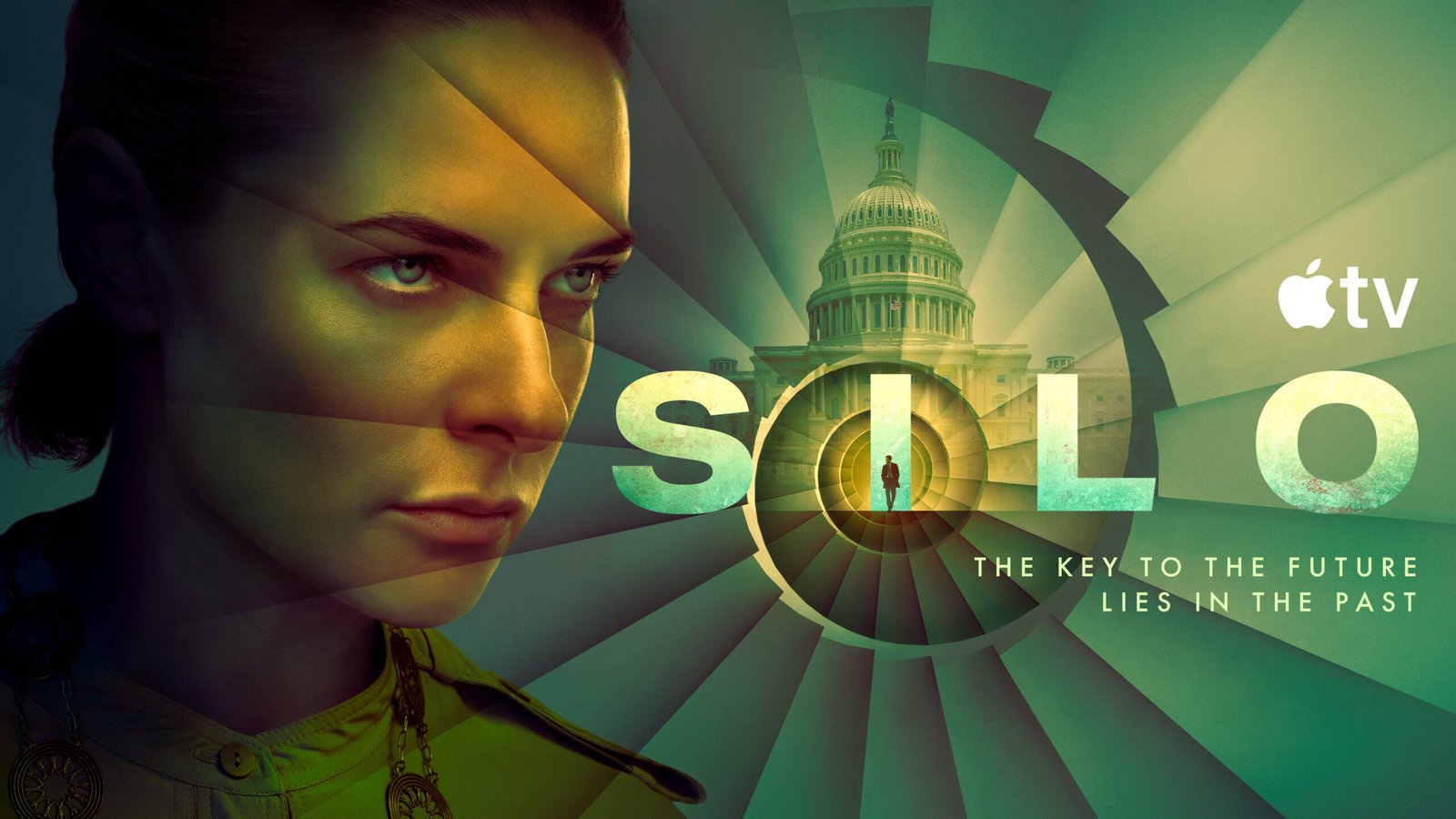
One of Apple TV+’s most gripping sci-fi dramas returns this summer. Silo Season 3 premieres on July 3, 2026, on Apple TV+, with new episodes dropping every Friday through September 4. After a pulse-pounding second season that ended with Juliette’s survival and the silo’s future hanging in the balance, the third chapter promises to be the most expansive and ambitious yet — introducing a split timeline that travels centuries into the past to reveal the origins of the silo itself.
What Happened in Season 2?
Juliette Nichols, played by the incomparable Rebecca Ferguson, survived her forced “cleaning” outside the silo but returned with severe memory loss. The silo itself is recovering from a deadly internal rebellion, even as a dangerous new threat begins to emerge from the shadows. The season finale left audiences with urgent questions: Who built the silo? Why? And what lies beyond what anyone has been told?
Season 3’s Split Timeline Premise
Season 3 is structured around two distinct timelines running in parallel. In the present, Juliette continues her struggle for the silo’s survival while grappling with her fractured memories. In the “Before Times,” journalist Helen Drew — played by Jessica Henwick — and Congressman Daniel Keene — played by Ashley Zukerman — uncover a vast conspiracy that pulls them into a chain of events with catastrophic, irreversible consequences. This origin story, set centuries before the events of the main series, promises to reframe everything viewers thought they knew.
New Cast Joining for Season 3
The returning ensemble remains strong: alongside Ferguson, the cast includes Common, Harriet Walter, Chinaza Uche, Avi Nash, and Steve Zahn, who reprises his role as Solo. The new additions are equally exciting: Laura Innes, Jessica Brown Findlay, Morven Christie, Reed Birney, Matt Craven, and Colin Hanks, set to recur. These additions suggest a significantly expanded world — particularly in the “Before Times” storyline.
The Release Schedule
Like previous seasons, Silo Season 3 follows a weekly release format. The first episode drops on July 3, 2026, with new installments every Friday through September 4, 2026, for a total of 10 episodes. This gives audiences the chance to savor each chapter and discuss theories week by week — a format perfectly suited to a show this rich in lore and mystery.
Why Silo Is One of the Best Shows on Television
Since its premiere in 2023, Silo has distinguished itself in a crowded field of dystopian dramas. Based on Hugh Howey‘s trilogy of novels, the series has been praised for its meticulous world-building, its refusal to take easy narrative shortcuts, and above all for Rebecca Ferguson‘s towering central performance. The show is a rare example of prestige sci-fi that trusts its audience — asking hard questions about power, truth, and the lengths to which humans will go to survive. Season 3 looks set to answer those questions in ways that will stay with viewers long after the finale.
Mark your calendars for July 3. Silo Season 3 is almost here, and it looks unmissable.


 Movies1 year ago
Severance Season 2 Release Date, Cast, and What to Expect from the Darker Return

 Movies1 year ago
Predator Badlands Release Date, Cast, Plot & What We Know

 News1 year ago
Sadie Sink Joins the MCU: First Look at Spider-Man: Brand New Day Set Photos

 News11 months ago
Jason Momoa to Lead New Apple TV Biker Series ‘Nomad’

 News2 years ago
Walter White’s Iconic Breaking Bad House Hits the Market for $4 Million

 Movies12 months ago
Jaafar Jackson Steps Into the Spotlight as Michael Jackson in the 2026 Biopic

 TV Shows11 months ago
Death Stranding Isolations: Everything to Know About the New Disney+ Animated Series

 Magazine11 months ago
Elizabeth Olsen Clears the Air on Wanda’s MCU Future