
News
Jason Momoa as Lobo in Supergirl: Why This DCU Casting Choice Is Brilliant and Risky
James Gunn’s first look at Jason Momoa as Lobo in Supergirl: Woman of Tomorrow is more than a casting reveal, it’s a tone test for the DCU reboot and a warning sign about playing “safe” with obvious choices.

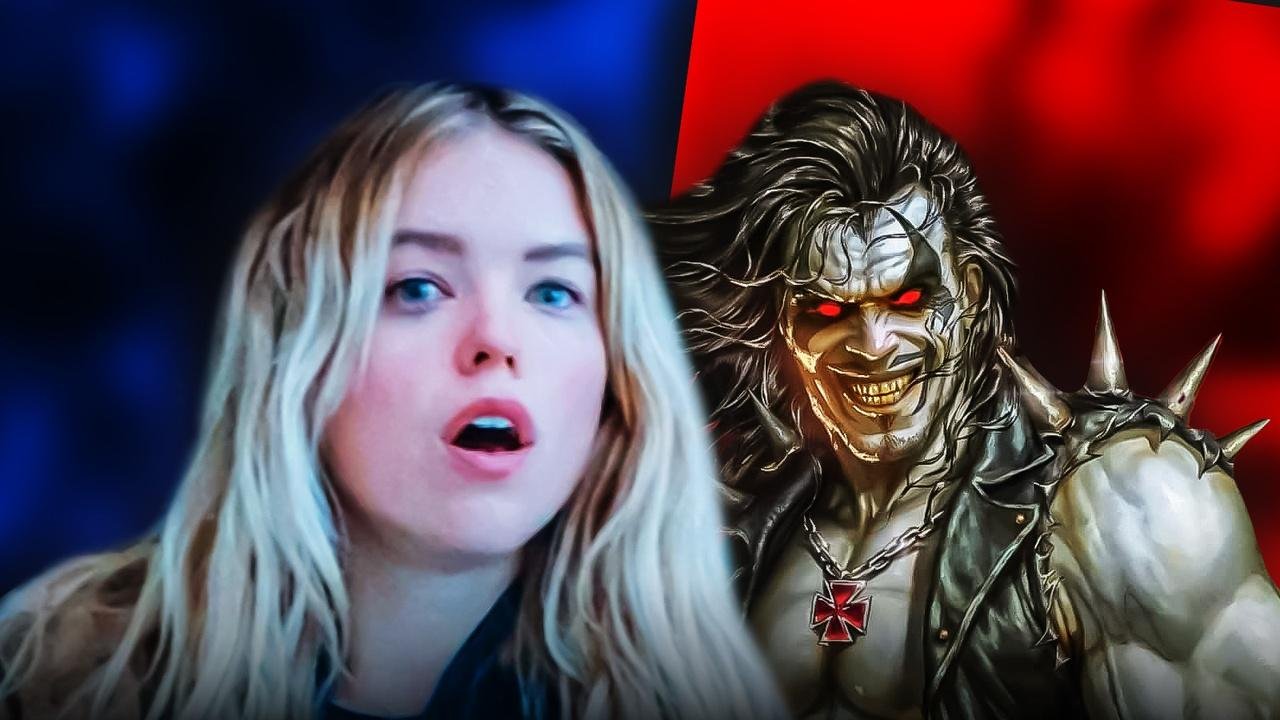
James Gunn finally gave fans what they’ve been demanding for years: a first glimpse of Jason Momoa as Lobo. The reveal is slick, casual, and very Gunn: Momoa steps out with a cigar, grins like he’s already won, and delivers a single word that basically sums up the entire fan-casting era: “Finally.”
And immediately, the internet did what it always does best: split into factions. One side called it perfect. The other side called it lazy, like DC is using the most obvious casting choice in the book and dressing it up with a Guardians-style vibe. That reaction isn’t just noise. It’s a real stress test for the DCU reboot, because this isn’t only about Lobo. It’s about whether audiences believe the new DC Universe has its own identity, or whether it’s about to become “James Gunn does space weirdos again” with a DC logo slapped on top.
Jason Momoa as Lobo: Why the Casting Makes Too Much Sense
Let’s not pretend the appeal is complicated. Lobo is loud, violent, chaotic, and weirdly charismatic. He’s the ultimate antihero dialed past 10, a cosmic biker mercenary who mocks superhero seriousness while still looking cool enough to sell merch. Momoa’s on-screen persona has been living in that neighborhood for years: big energy, big presence, a natural sense of humor, and that effortless “I’m having fun” vibe that makes blockbuster characters feel alive.
This casting works instantly because it’s simple math. Give Momoa white makeup, a leather outfit, and a sense of menace, and people will buy it. That’s exactly why it’s been a fan-cast forever. In a world where studios regularly pick the safest option and call it strategy, Momoa as Lobo almost feels inevitable.
But inevitability is where the danger lives.
James Gunn’s DCU Tone Problem: When a Signature Style Starts to Feel Repetitive
The teaser doesn’t reveal much plot, but it reveals something more important: tone. The montage is stylish, fast, and set to Blondie’s “Call Me,” and that needle-drop choice is never accidental in a Gunn production. It’s branding. It’s mood-setting. It’s a director telling you, “This is the kind of fun we’re having.”
Some fans watched it and immediately felt a familiar flavor: Guardians of the Galaxy energy. Some even joked it looks like Knowhere. They’re not hallucinating. Gunn’s fingerprints are there: pop music swagger, visually “cool” character intros, a slightly ironic attitude baked into the presentation.
Here’s the uncomfortable truth: DC actually needs that clarity.
For the last decade, the biggest problem wasn’t that DC was dark or serious. The biggest problem was that DC was inconsistent. One movie was operatic mythology, the next was gloomy realism, the next was chaotic reshoot soup. Audiences stopped trusting the brand. Gunn is trying to fix that with one thing: a coherent voice.
The risk is that the voice becomes too loud. If everything feels like a variation of Gunn’s greatest hits, the DCU won’t feel like a universe. It’ll feel like a director’s playlist.

Supergirl: Woman of Tomorrow Story Context: Why This Is Not a Typical Supergirl Movie
This matters because Supergirl: Woman of Tomorrow isn’t a bubbly “Kara learns to be a hero” story. The acclaimed Tom King and Bilquis Evely comic is a space road journey with teeth. It treats Kara like someone shaped by survival, grief, and the heavy shadow of Krypton’s collapse. It’s less about “Superman’s cousin” and more about Kara’s own identity, her anger, her compassion, and her personal moral limits.
The film version is directed by Craig Gillespie, which is an underratedly smart choice. He’s not a generic franchise mechanic. He’s a tonal director who understands character messiness and sharp edges. I, Tonya had bite. Cruella had style. If the DCU wants a Supergirl story that feels authored rather than manufactured, Gillespie is a meaningful signal.
That’s why the Lobo inclusion raises real questions. Not because Lobo is “silly,” but because he’s powerful enough to hijack a movie’s emotional center if he’s used as a hype machine instead of a narrative ingredient.
Jason Momoa Lobo Design and Costume: Why Fans Are Divided (and Why That’s Normal)
Lobo is supposed to look insane. He’s a character born from exaggeration. If someone expected grounded realism, they’ve misunderstood the assignment. The challenge isn’t “make him cool.” The challenge is “make him cool without making him look like cosplay.”
And that’s exactly where online reactions are landing: people saying he’s perfect for the part, but also saying the look feels underwhelming. That tension is real. Lobo should feel iconic the moment he appears, not like a “pretty good” Halloween version of a space biker.
The good news is that first-look teasers can be deceptive. Lighting, color grading, and final visual finishing matter a lot. A costume that looks odd in a behind-the-scenes clip can look incredible in a fully finished film.
The bigger issue isn’t the makeup. It’s whether the character is integrated with intent.
Will Lobo Steal the Movie? The Biggest Risk for Supergirl: Woman of Tomorrow
If Supergirl: Woman of Tomorrow stays faithful to its emotional spine, Kara should be the gravitational center. Lobo should be a disruptive force, not the main attraction. That’s the difference between a character who elevates the story and a character who turns the story into a highlight reel.
Hollywood has a bad habit of turning “popular character” into “marketing weapon.” We’ve seen it across franchises: the side character gets meme traction, the studio leans into it, and suddenly the movie forgets what it was actually about.
Lobo can work brilliantly if he functions as contrast: Kara’s pain, restraint, and moral clarity against Lobo’s chaos, cruelty, and selfishness. That clash could make Kara feel sharper and more defined.
If the movie becomes more interested in Lobo one-liners than Kara’s journey, it’ll be a tonal derailment wrapped in a viral campaign.
DCU Reboot Strategy: Why Supergirl’s Success Depends on Superman (2025)
This film isn’t arriving in a vacuum. It’s the second major chapter of the DCU reboot after Superman (2025), starring David Corenswet as Clark Kent and Rachel Brosnahan as Lois Lane. That timing matters, because the DCU’s biggest challenge isn’t hype. It’s credibility.
Audiences don’t just want a good movie. They want to know the universe won’t collapse again. DC has trained people to expect chaos: reboots, resets, tonal whiplash, abandoned storylines. Gunn and Safran are trying to break that pattern by building a clear foundation.
If Superman lands, Supergirl benefits massively. If Superman stumbles, Supergirl carries the weight of doubt into theaters, and that doubt can be lethal in a summer blockbuster window.
Supergirl Movie Release Date and Box Office Forecast: What to Expect in 2026
Supergirl: Woman of Tomorrow is slated for June 26, 2026, which puts it in the heart of the summer battlefield. That date signals confidence. Studios don’t place “maybe” movies there. They place movies they expect to perform.
Will it hit a billion? Not automatically. Supergirl is a recognizable brand, but not Batman-level. The Momoa factor helps a lot, especially internationally. He’s a global draw with a proven ability to sell big-screen spectacle.
The box office outcome will depend on three things:
Whether the film’s tone feels fresh inside the DCU
Whether Kara’s character arc is strong enough to anchor the movie
Whether audiences trust the DCU brand again after years of instability
If those align, this could be one of DC’s strongest launches in years. If they don’t, it’ll be another “good effort, wrong timing” casualty.

Jason Momoa 2026 Movies: Why Lobo Fits His Career Momentum
Momoa is walking into this DCU role during an unusually packed phase of his career. He’s promoting The Wrecking Crew (Prime Video, January 28, 2026) with Dave Bautista, he’s lined up for more mainstream crowd projects, and he’s also set to return as Duncan Idaho in Dune: Part Three, scheduled for December 2026.
This matters because Momoa isn’t relying on Lobo to stay relevant. He’s already everywhere. That gives him freedom to go bigger, stranger, and more dangerous with the character. Lobo should feel like a cosmic hazard, not a calculated brand extension.
And if Momoa commits fully to the ugliness and menace, not just the cool factor, he could deliver the kind of comic book performance that actually becomes iconic.
The Real Question: Is Jason Momoa’s Lobo the DCU’s Best Move or Its First Red Flag?
Momoa as Lobo is a perfect idea on paper. It’s instantly marketable, immediately understandable, and built to generate hype. It’s also the kind of decision that can make a reboot feel safe rather than bold.
And maybe safe is exactly what DC needs right now. Trust doesn’t come back overnight. Sometimes you rebuild with the obvious wins before you attempt the risky swings.
But DC also can’t afford to become predictable. The new DCU needs variety, directors with distinct voices, and stories that feel like they exist beyond a single person’s aesthetic. If every reveal feels like a remix of Gunn’s past work, audiences will feel that repetition fast, even if they can’t explain it.
So here’s the real debate:
Do you want the DCU to feel like a carefully unified universe, or a sandbox where each film has its own identity?
Because Momoa’s Lobo reveal is fun, but it also quietly forces DC to answer that question.
Your Turn: Is This the Perfect Lobo Casting or an Overly Safe DCU Choice?
Jason Momoa as Lobo: genius casting that finally delivers what fans wanted, or the easiest possible choice that makes the DCU feel less daring?
Which side are you on, and what would you want Lobo to be in this movie: a story-driving force, or a chaotic side character who keeps Supergirl’s spotlight intact?




News
Star Trek: Strange New Worlds Season 4 Is Coming to Paramount+ This Summer
Star Trek: Strange New Worlds Season 4 premieres July 23, 2026 on Paramount+. Paul Wesley returns as Kirk alongside Anson Mount in the penultimate season of the beloved series.

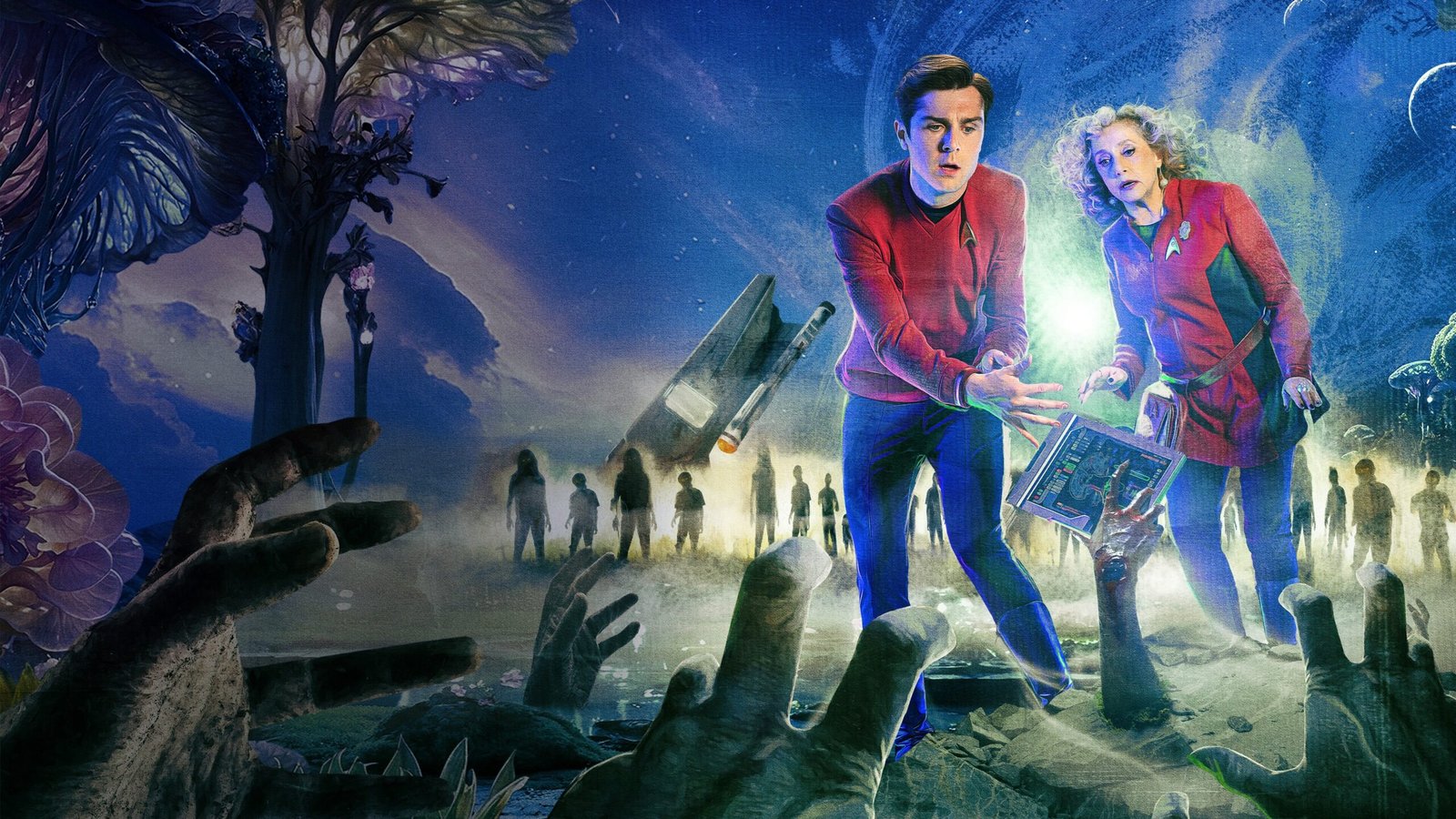
One of Paramount+’s most beloved flagship series is returning this summer. Star Trek: Strange New Worlds Season 4 premieres on July 23, 2026, on Paramount+, with new episodes dropping every Thursday through September 24. The season was officially announced at CCXP Mexico in April, where cast members dropped the exciting premiere date to a crowd of thrilled fans. With the fifth and final season already in production, Season 4 is shaping up to be a pivotal chapter in the series’ legacy.
What Makes Strange New Worlds Special?
Strange New Worlds is set aboard the USS Enterprise before the events of the original Star Trek series, following the adventures of Captain Christopher Pike and his crew. Unlike many modern Star Trek shows, Strange New Worlds embraced a classic episodic format from the very beginning — each episode largely standalone, exploring a new world, new challenge, or new moral dilemma. This approach was widely celebrated by longtime fans and newcomers alike, earning the series some of the best reviews in the franchise’s recent history.
The Cast Returning for Season 4
Anson Mount returns as Captain Pike, alongside Rebecca Romijn as Number One, Ethan Peck as Spock, Celia Rose Gooding as Uhura, and Jess Bush as Nurse Chapel. Crucially, Paul Wesley, who first appeared as James T. Kirk in the Season 1 finale, is confirmed to return in Season 4 — a development that has generated enormous excitement among fans eager to see more of his interpretation of the iconic character.
Season 4 Teaser and What to Expect
The official Season 4 teaser trailer was unveiled at CCXP Mexico on April 25, 2026, offering fans their first glimpse of what is to come. Season 4 will consist of 10 episodes, continuing the weekly release format that has defined the series. The season is expected to continue the show’s tradition of blending science fiction adventure with character-driven drama, philosophical questions, and the occasional genre-bending episode that Strange New Worlds has made its signature.
The Road to the Final Season
In a bittersweet piece of news announced alongside Season 3’s premiere in 2025, Paramount+ confirmed that a sixth-episode fifth season would serve as the series finale, bringing Strange New Worlds to a planned and deliberate conclusion. This means Season 4 is the penultimate chapter — and likely the season where the series begins to lay the groundwork for its farewell. For fans of the show, this creates a sense of urgency and emotional investment that makes Season 4 one of the most anticipated Star Trek events in years.
How to Watch and Release Schedule
Star Trek: Strange New Worlds Season 4 launches on July 23, 2026 exclusively on Paramount+. New episodes will arrive every Thursday through September 24, 2026. The series is available on Paramount+ in the US and on partner services internationally. If you are new to Strange New Worlds, all three previous seasons are currently streaming and make for essential viewing before Season 4 arrives.
Set your phasers to excited. Strange New Worlds Season 4 is just around the corner.
News
Sugar Season 2: Colin Farrell Returns to Apple TV+ With a New Mystery
Sugar Season 2 premieres June 19, 2026 on Apple TV+. Colin Farrell returns as John Sugar with a new missing persons case spiraling into a citywide conspiracy.
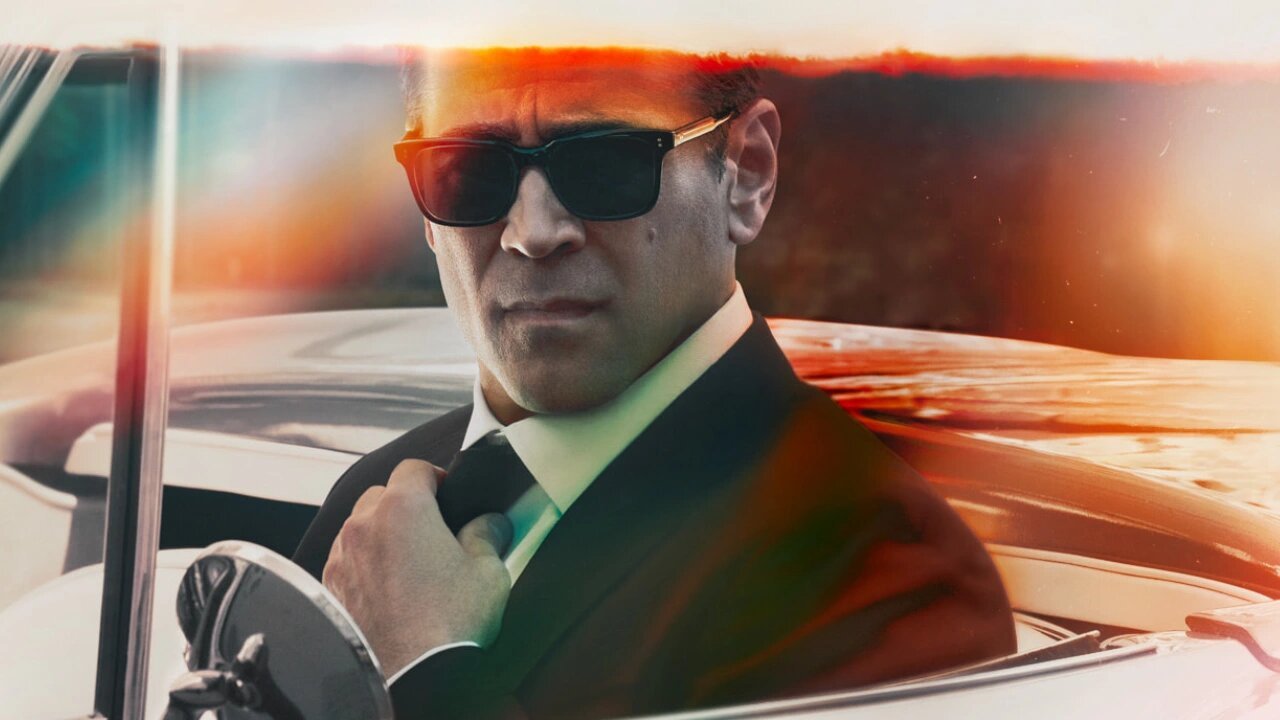
After a two-year wait, one of Apple TV+’s most stylish and surprising dramas is finally returning. Sugar Season 2 premieres on June 19, 2026, on Apple TV+, with one episode launching on premiere day and new installments dropping every Friday through August 7. Colin Farrell is back as John Sugar, Los Angeles’ most compelling private detective, and the stakes are higher than ever before.
What Is Sugar About?
Sugar is a contemporary, neo-noir take on the private detective story — filtered through a deep love of classic Hollywood cinema. John Sugar is a PI unlike any other: meticulous, melancholy, and deeply humane, with an encyclopedic knowledge of film history. Season 1 rocked audiences with a genuinely shocking mid-season revelation that recontextualized everything they had seen. Season 2 picks up in the aftermath of that revelation, with Sugar navigating a world that has become more dangerous and more personal than ever.
Season 2’s New Case
In the second season, Sugar takes on a new missing persons case — searching for the older brother of an up-and-coming local boxer. The investigation quickly expands into a citywide conspiracy with sinister intentions, involving two immigrants from Korea who are caught in its crosshairs. While pursuing this new case, Sugar also continues his desperate search for his beloved missing sister. The two storylines weave together in ways that force Sugar to ask himself one central question: how far will he go to do what is right?
New Cast Members Joining Season 2
Season 2 introduces an exciting array of new stars alongside Farrell. Jin Ha, Raymond Lee, Tony Dalton, Laura Donnelly, and Sasha Calle all join the cast in key roles. Their addition broadens the world of Sugar significantly — bringing new energy and new complications to a series that has always excelled at subverting expectations. Sam Catlin returns as showrunner, having taken over from the first season’s creative team.
Why You Should Be Watching Sugar
Sugar stands apart from the typical prestige drama for several reasons. It combines the pleasures of classic detective fiction with a genuine emotional weight, and Colin Farrell‘s performance is nothing short of revelatory — quiet, expressive, and utterly committed to the character’s strange interiority. The show also has an unmatched visual style, drawing on the aesthetics of golden-age Hollywood while placing its story firmly in the anxious, sun-drenched landscape of contemporary Los Angeles. Season 1 ended with a cliffhanger that begged for resolution, and Season 2 is positioned to deliver something even more ambitious.
Release Schedule and How to Watch
Sugar Season 2 launches on June 19, 2026 on Apple TV+. Following the premiere episode, new installments will arrive every Friday through August 7, 2026, for a total of eight episodes. The series is available exclusively via Apple TV+, which can be accessed on a wide range of devices. If you have not yet watched Season 1, now is the perfect moment to catch up before the new episodes begin.
John Sugar is back in Los Angeles, and the city has never looked more beautiful or more dangerous. Do not miss it.
News
Silo Season 3 on Apple TV+: Split Timelines, New Cast, and Everything We Know
Silo Season 3 premieres July 3, 2026 on Apple TV+. A split timeline exploring the silo’s origins, a stellar new cast, and Rebecca Ferguson back at her best.
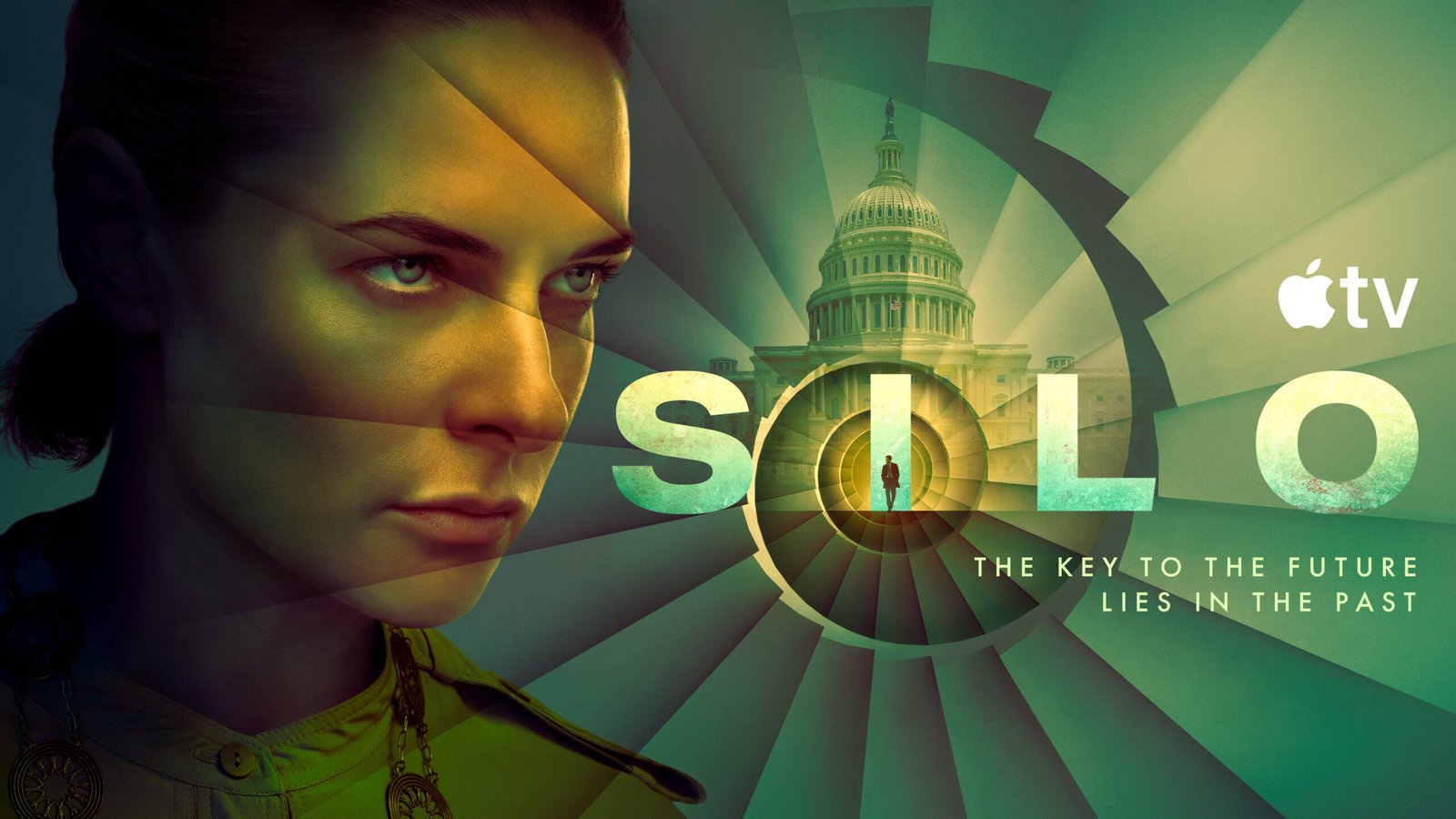
One of Apple TV+’s most gripping sci-fi dramas returns this summer. Silo Season 3 premieres on July 3, 2026, on Apple TV+, with new episodes dropping every Friday through September 4. After a pulse-pounding second season that ended with Juliette’s survival and the silo’s future hanging in the balance, the third chapter promises to be the most expansive and ambitious yet — introducing a split timeline that travels centuries into the past to reveal the origins of the silo itself.
What Happened in Season 2?
Juliette Nichols, played by the incomparable Rebecca Ferguson, survived her forced “cleaning” outside the silo but returned with severe memory loss. The silo itself is recovering from a deadly internal rebellion, even as a dangerous new threat begins to emerge from the shadows. The season finale left audiences with urgent questions: Who built the silo? Why? And what lies beyond what anyone has been told?
Season 3’s Split Timeline Premise
Season 3 is structured around two distinct timelines running in parallel. In the present, Juliette continues her struggle for the silo’s survival while grappling with her fractured memories. In the “Before Times,” journalist Helen Drew — played by Jessica Henwick — and Congressman Daniel Keene — played by Ashley Zukerman — uncover a vast conspiracy that pulls them into a chain of events with catastrophic, irreversible consequences. This origin story, set centuries before the events of the main series, promises to reframe everything viewers thought they knew.
New Cast Joining for Season 3
The returning ensemble remains strong: alongside Ferguson, the cast includes Common, Harriet Walter, Chinaza Uche, Avi Nash, and Steve Zahn, who reprises his role as Solo. The new additions are equally exciting: Laura Innes, Jessica Brown Findlay, Morven Christie, Reed Birney, Matt Craven, and Colin Hanks, set to recur. These additions suggest a significantly expanded world — particularly in the “Before Times” storyline.
The Release Schedule
Like previous seasons, Silo Season 3 follows a weekly release format. The first episode drops on July 3, 2026, with new installments every Friday through September 4, 2026, for a total of 10 episodes. This gives audiences the chance to savor each chapter and discuss theories week by week — a format perfectly suited to a show this rich in lore and mystery.
Why Silo Is One of the Best Shows on Television
Since its premiere in 2023, Silo has distinguished itself in a crowded field of dystopian dramas. Based on Hugh Howey‘s trilogy of novels, the series has been praised for its meticulous world-building, its refusal to take easy narrative shortcuts, and above all for Rebecca Ferguson‘s towering central performance. The show is a rare example of prestige sci-fi that trusts its audience — asking hard questions about power, truth, and the lengths to which humans will go to survive. Season 3 looks set to answer those questions in ways that will stay with viewers long after the finale.
Mark your calendars for July 3. Silo Season 3 is almost here, and it looks unmissable.


 Movies1 year ago
Severance Season 2 Release Date, Cast, and What to Expect from the Darker Return

 Movies1 year ago
Predator Badlands Release Date, Cast, Plot & What We Know

 News11 months ago
Sadie Sink Joins the MCU: First Look at Spider-Man: Brand New Day Set Photos

 News10 months ago
Jason Momoa to Lead New Apple TV Biker Series ‘Nomad’

 News2 years ago
Walter White’s Iconic Breaking Bad House Hits the Market for $4 Million

 Movies11 months ago
Jaafar Jackson Steps Into the Spotlight as Michael Jackson in the 2026 Biopic

 TV Shows10 months ago
Death Stranding Isolations: Everything to Know About the New Disney+ Animated Series

 Magazine10 months ago
Elizabeth Olsen Clears the Air on Wanda’s MCU Future