
Movies
New Men in Black Movie Officially in Development
Sony Pictures is developing a new Men in Black film with writer Chris Bremner. Will Smith may return as Agent J once the script is complete. Here are all the early details.

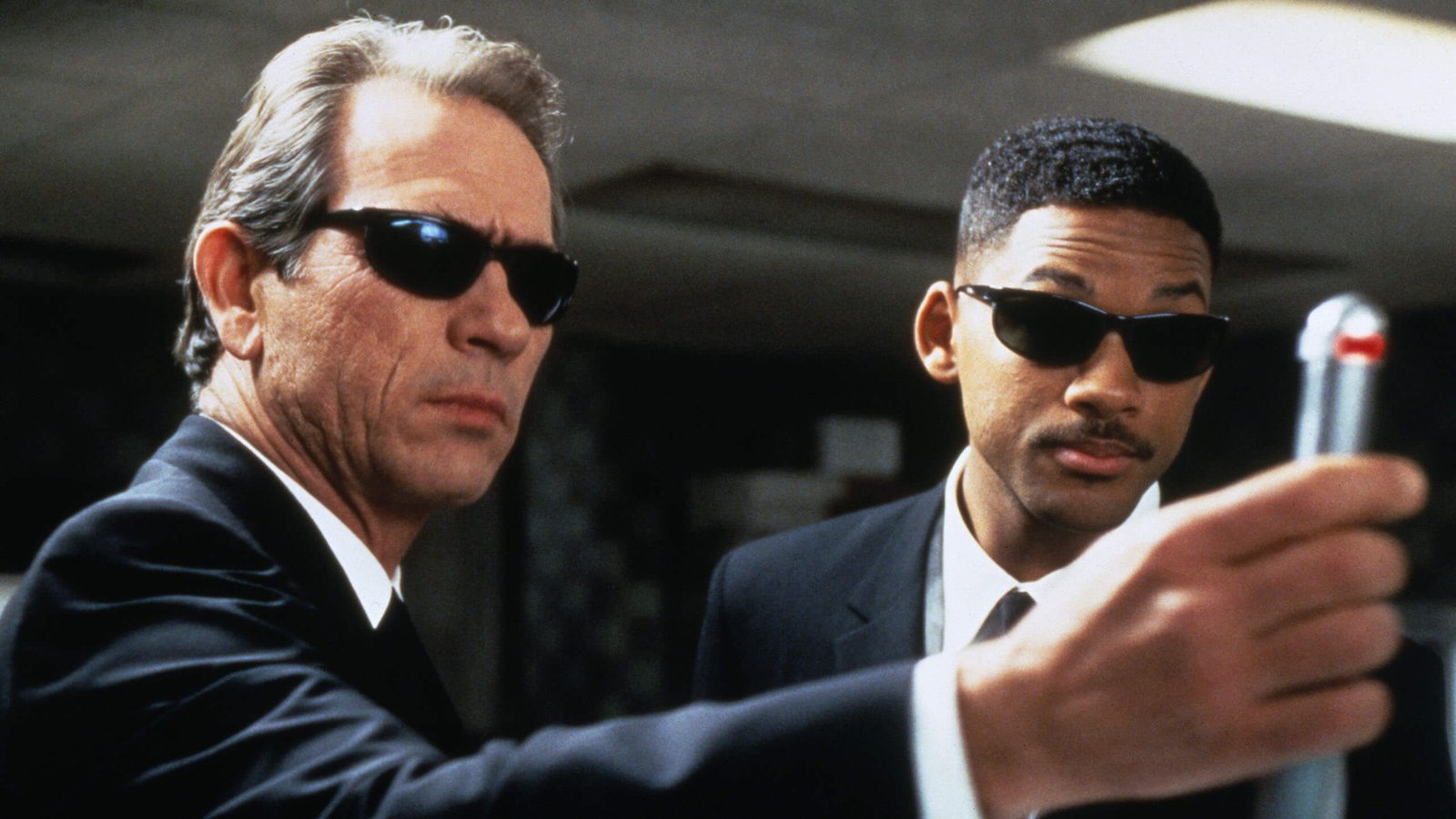
Sony Pictures is officially moving forward with plans to revive the Men in Black franchise, marking the first major update for the series in years. According to Deadline, the studio has begun early development on a brand new MIB film, aiming to bring the iconic sci-fi comedy back into the spotlight.
Chris Bremner Tapped to Write the Script
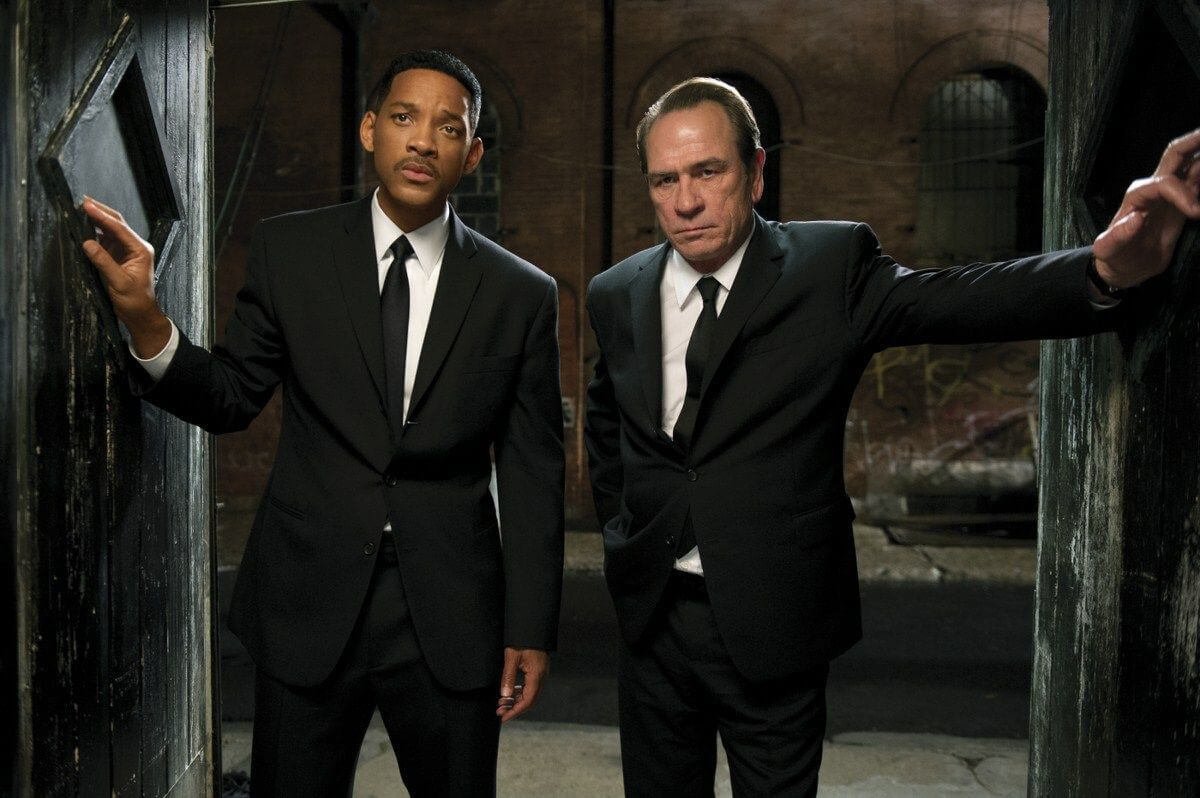
The project is still in its early stages, with no director or cast attached yet. However, Sony has hired Chris Bremner, best known for his work on Bad Boys for Life, to write the script. His involvement suggests the studio is looking for a sharp, action driven comedic tone similar to recent Bad Boys installments.
Sources say Sony will not comment officially until development moves further along, but Bremner’s assignment is the strongest sign yet that the franchise is gearing up for a revival.
Will Smith Could Return as Agent J
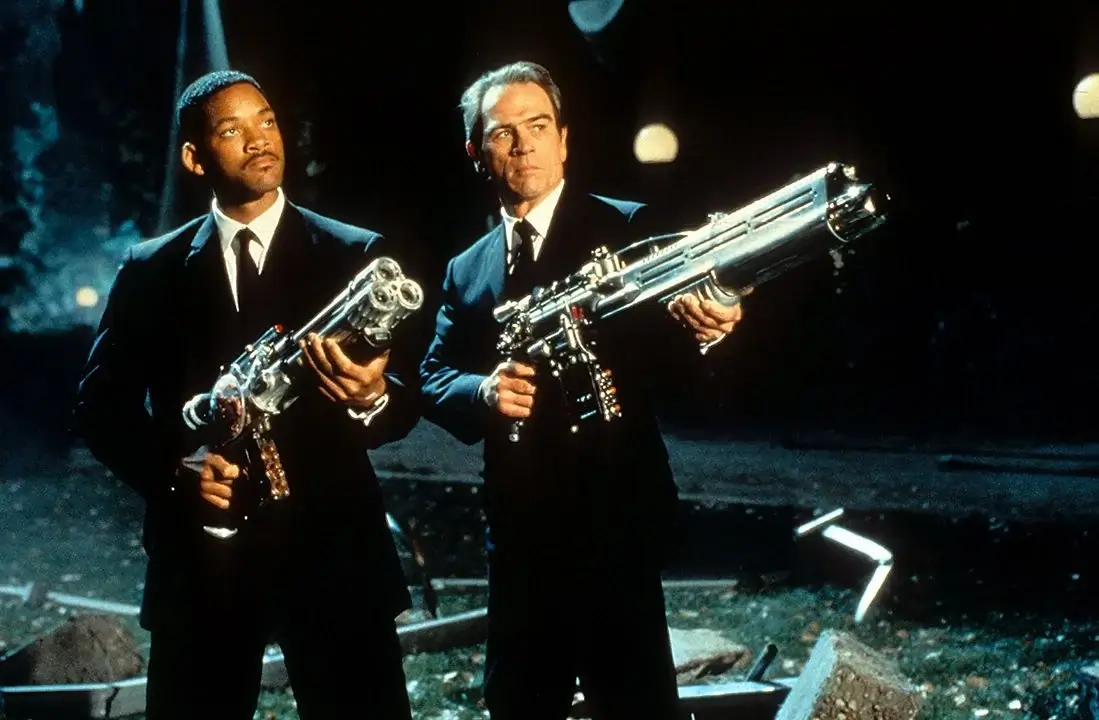
One of the biggest questions is whether Will Smith will return to the series. According to insiders who spoke with Deadline, Smith is expected to be among the first to read the completed script. While he is not attached to the project at this time, the studio hopes he will consider returning as Agent J.
It remains unclear how large his role might be. Smith could once again lead the film, or he might appear in a smaller capacity to help introduce a new main character. Any decision will depend entirely on the final script.
A Franchise With a Long Legacy
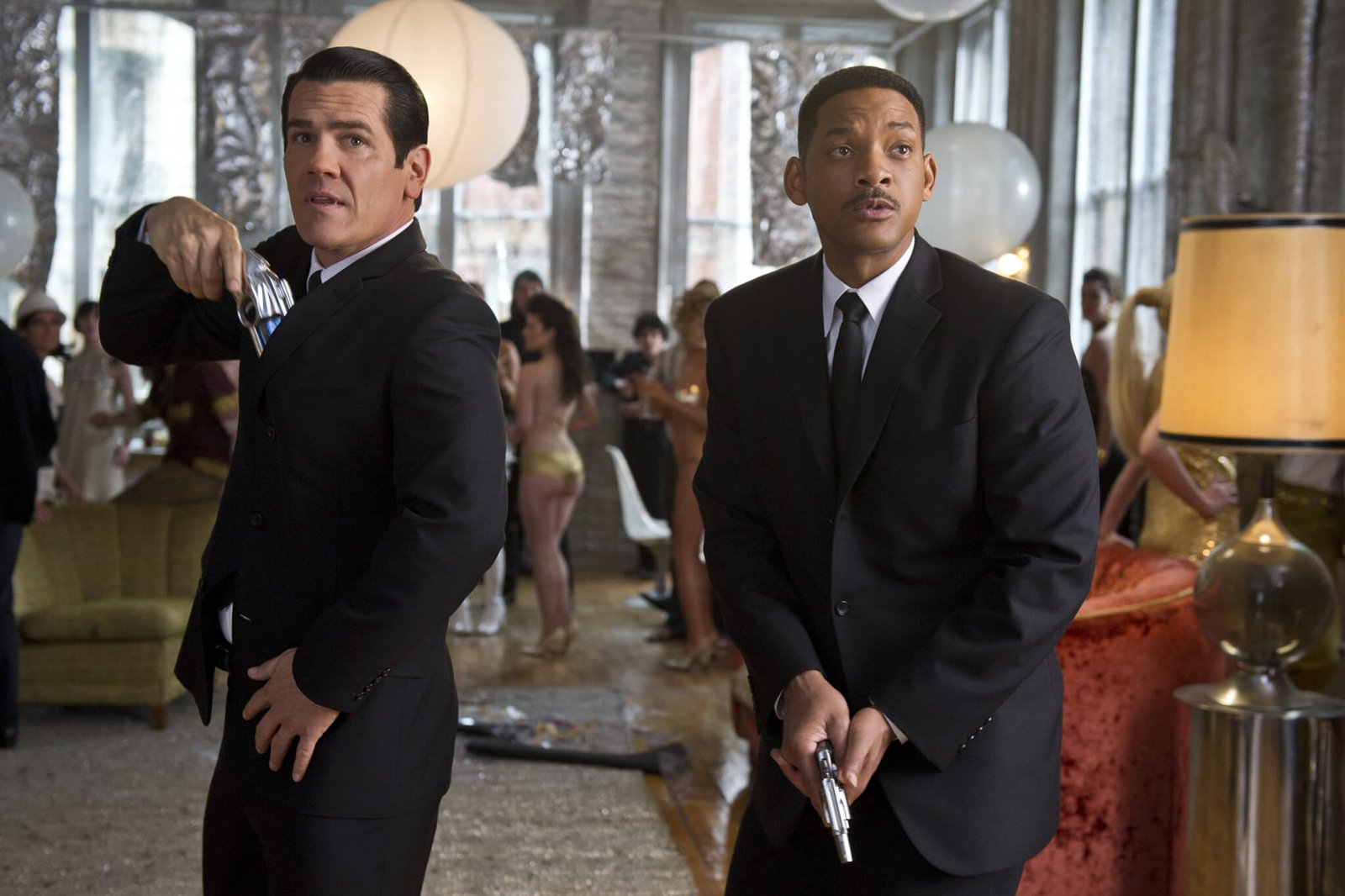
The Men in Black series originally began as a comic book before becoming a global hit with the 1997 film starring Will Smith and Tommy Lee Jones. Over the years, the franchise expanded into sequels, an animated series, and video games. Its mix of humor, sci-fi adventure, and secret government intrigue made it one of Sony’s most recognizable properties.
Although various spin offs and attempts to renew the franchise have appeared over the past decade, none have fully relaunched the series. This new project marks the most significant step forward since Men in Black International.
What This New Film Could Mean for the Franchise
With Bremner writing and the possibility of Will Smith’s return, Sony appears to be setting the stage for a fresh direction that still honors the original tone. Whether the film becomes a full reboot or a continuation remains unknown, but the early buzz indicates the studio is serious about reviving the MIB universe.
As development progresses, more details about casting, story direction, and production timeline are expected to arrive. For now, fans can look forward to the first real movement toward bringing Men in Black back to theaters.
Movies
The Pitt Season 2 Finale Shatters Records With 9.7 Million Viewers as Noah Wyle’s Drama Eyes Season 3

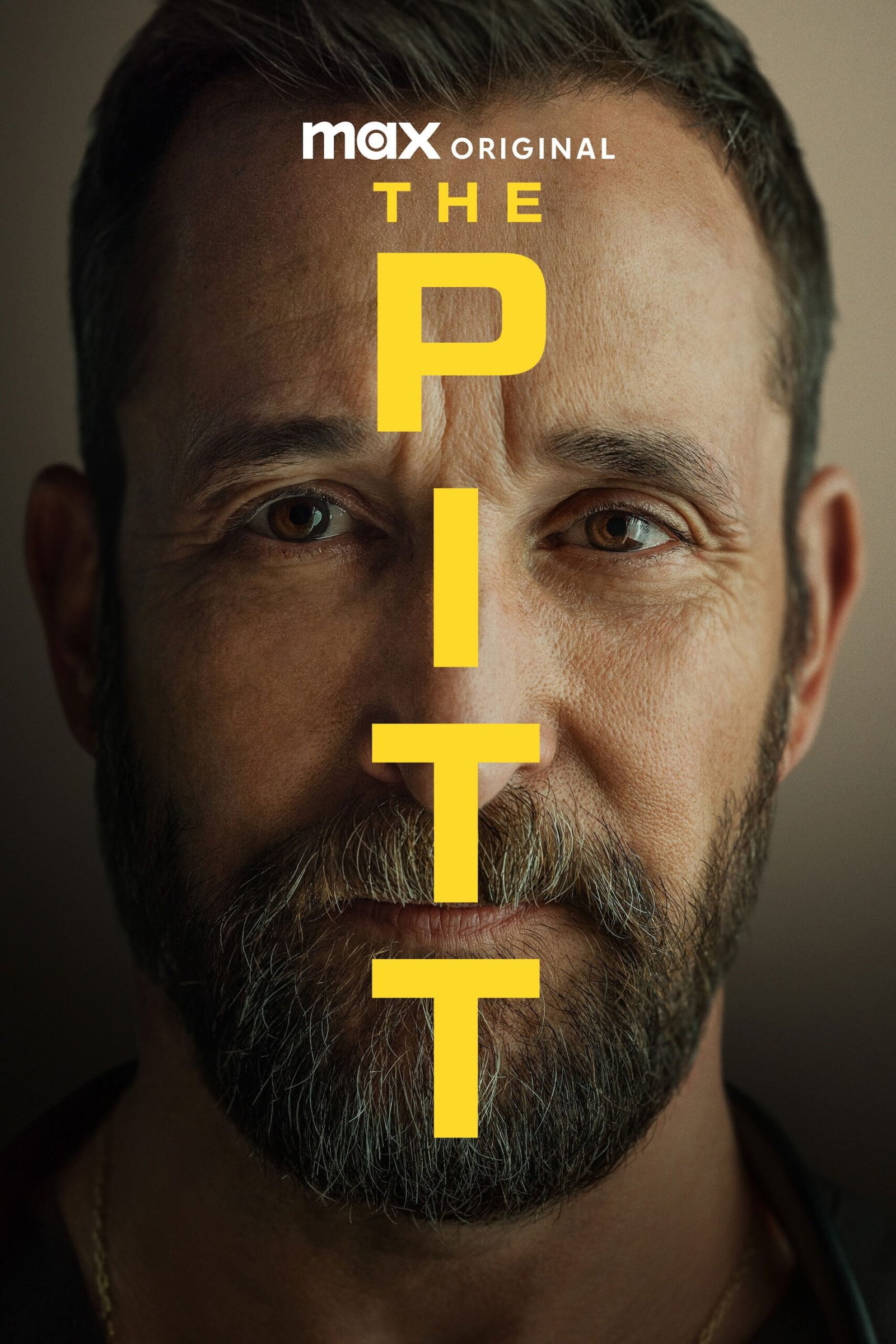
HBO Max’s gripping medical drama The Pitt has just wrapped its second season in spectacular fashion, with the Season 2 finale drawing a record-breaking 9.7 million viewers through its opening weekend. Set in the chaotic world of Pittsburgh Trauma Medical Center‘s emergency room, the show has cemented its place as one of streaming’s most emotionally powerful dramas.
A Record-Breaking Season Finale
The Season 2 finale became the series’ most-watched episode to date, breaking every record the acclaimed first season had set. The show spent multiple weeks as the overall #1 streaming series, accumulating 1.39 billion viewing minutes in its final week alone—a staggering testament to its grip on audiences worldwide.
Noah Wyle Delivers a Career-Defining Performance
Noah Wyle returns as the brilliant but haunted Dr. Michael “Robby” Robinavitch, whose Season 2 arc went to extraordinarily dark places. The finale saw Dr. Robby grappling with suicidal ideation before landing on a quietly devastating final scene—cradling an abandoned baby and whispering, “Everything is going to be fine”—leaving audiences both shattered and quietly hopeful.
Season 3: Cast Changes and a Time Jump Confirmed
Season 3 is already confirmed and will feature a time jump that promises dramatic new dynamics. Supriya Ganesh has departed the series following Season 2, while recurring fan favorite Ayesha Harris has been promoted to series regular. The rest of the ensemble—including Patrick Ball, Katherine LaNasa, Fiona Dourif, Taylor Dearden, and Isa Briones—is expected to return.
Why The Pitt Is Unmissable TV
What sets The Pitt apart from other medical dramas is its unflinching realism, morally complex characters, and showrunner R. Scott Gemmill‘s dedication to authentic emergency medicine storytelling. Season 2 pushed every character to their absolute limits, and with Season 3’s time jump promising a bold new chapter, HBO Max’s ER powerhouse shows no signs of slowing down.
Movies
Project Hail Mary: Ryan Gosling Goes to Space to Save Earth in 2026’s Most Exciting Sci-Fi Film
Project Hail Mary stars Ryan Gosling in a highly anticipated sci-fi film based on Andy Weir’s bestselling novel. An astronaut wakes up alone in deep space and must save Earth from extinction.
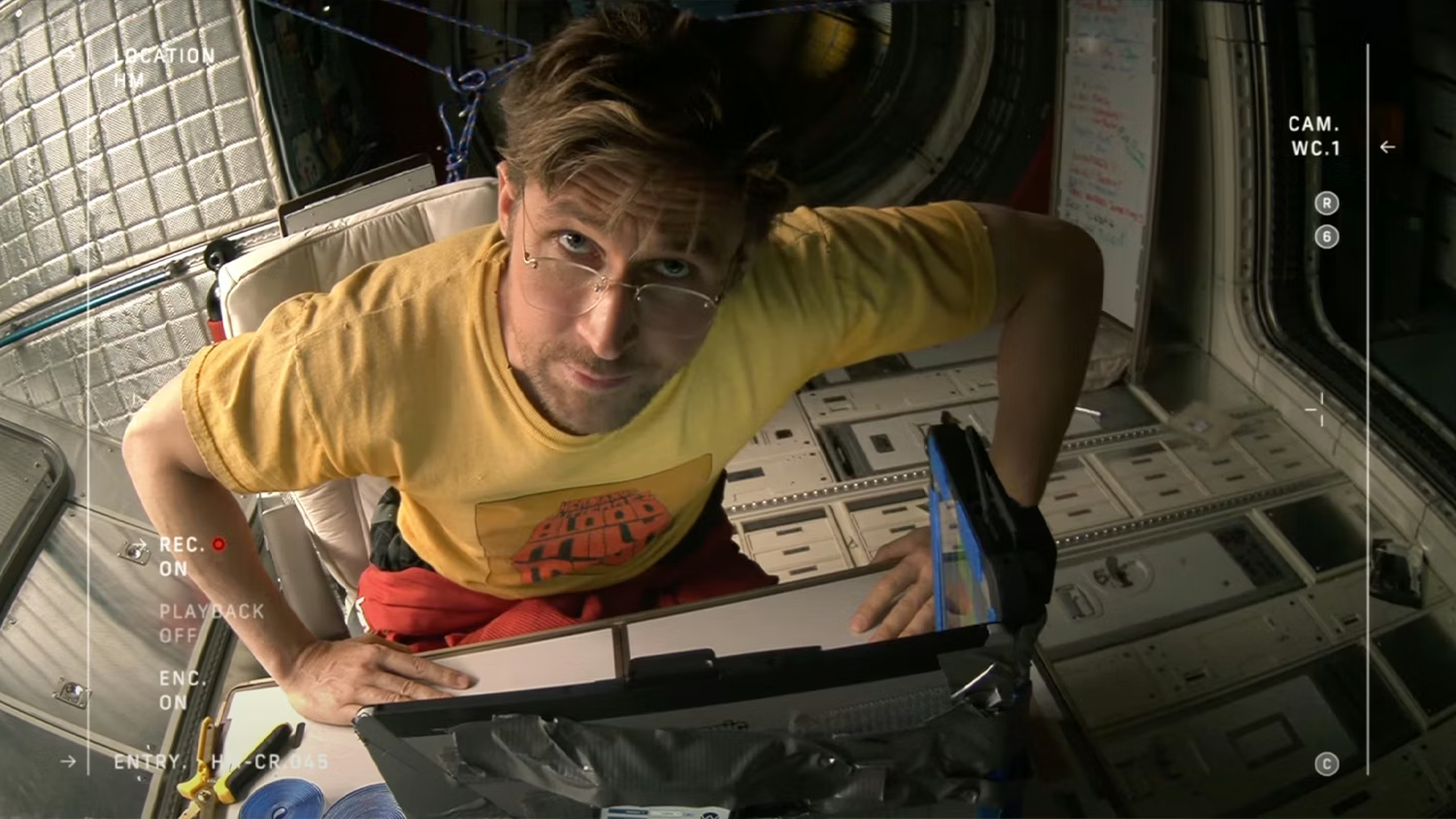
There are science fiction films, and then there are events. Project Hail Mary, arriving in cinemas on March 20, 2026, belongs firmly in the second category. Directed by Phil Lord and Christopher Miller and starring Ryan Gosling, this adaptation of Andy Weir’s beloved novel is one of the most anticipated films of the year. Shot entirely for IMAX and brought to screens by Amazon MGM Studios, it promises to be a singular cinematic experience.
What Is Project Hail Mary About?
Ryland Grace is a middle-school science teacher who wakes up alone on a spaceship light years from Earth, with no memory of who he is or how he got there. As fragments of his memory return, he begins to piece together the truth: he is the last survivor of a desperate mission sent to solve a cosmic crisis. The sun is dying, and unless Grace can figure out why, all life on Earth will be extinguished.
What makes the story exceptional is where it goes from there. This is not simply a survival story in the mould of The Martian. It becomes something far more unusual, more moving, and more imaginative. Audiences going in without knowledge of the novel will want to experience the film’s central surprise fresh.
The Cast
Ryan Gosling as Ryland Grace, the reluctant, unprepared, and brilliantly curious scientist at the heart of the story. Gosling is in nearly every scene of the film, carrying it on his own for long stretches.
Sandra Hüller as Eva Stratt, the unflinching leader of the global task force that assembled the Hail Mary mission. Following her Oscar-nominated performance in Anatomy of a Fall, Hüller continues to be one of the most compelling screen presences working today.
James Ortiz voices and performs Rocky, the film’s second lead. Rocky is the character that makes this story unlike anything else in mainstream science fiction, and Ortiz’s work bringing the character to life is already being discussed as one of the most remarkable performance achievements of the year.
Lionel Boyce, Milana Vayntrub, and Ken Leung also appear as members of Grace’s crew.
The Team Behind the Film
Phil Lord and Christopher Miller are the directors behind Spider-Man: Into the Spider-Verse and The Lego Movie, two films that redefined what animated storytelling could achieve. Here they work in live action on a large scale, and the early word from the production has been extraordinary. The screenplay was written by Drew Goddard, who also wrote the script for The Martian, giving the project an unusually strong pedigree for hard science fiction done with heart and wit.
The cinematography is by Greig Fraser, the Oscar-winning director of photography behind Dune and Dune: Part Two. The score is by Daniel Pemberton, a regular collaborator of Lord and Miller’s whose work on the Spider-Verse films set a new standard for animated film music.
Why It Matters
Andy Weir’s novel spent years in development before landing with this team and this cast, and the result feels like something genuinely special. Weir’s books are known for their rigorous scientific authenticity and their deeply human emotional cores, and Project Hail Mary is the most emotionally ambitious thing he has written. The film has been shot specifically for IMAX, meaning the visual scale will be unlike almost anything currently in production.
Ryan Gosling has said publicly that this was a project he fought hard to be a part of. That kind of creative investment from a lead actor tends to show on screen.
Final Thoughts
Project Hail Mary arrives in cinemas on March 20, 2026, and it arrives with a level of anticipation that few films of 2026 can match. If you are a fan of intelligent, emotionally resonant science fiction, this is the one to watch this spring. Clear your schedule, find the biggest IMAX screen near you, and go in knowing as little as possible.
Project Hail Mary is in cinemas from March 20, 2026, distributed by Amazon MGM Studios.
Movies
Crime 101 Review: Chris Hemsworth, Halle Berry and Mark Ruffalo in the Best LA Crime Film in Years

Los Angeles has always been a natural home for crime cinema, and director Bart Layton has now added his name to the list of filmmakers who know exactly how to use the city. Crime 101, released in cinemas on February 13, 2026, is a sharp, stylish heist thriller with one of the best ensemble casts assembled in years. Based on the novel by Don Winslow and distributed by Amazon MGM Studios, this is a film that earns every comparison to the LA crime classics that came before it.
What Is Crime 101 About?
The story follows a crew of professional thieves operating across Los Angeles who become entangled in a job that is far more dangerous than anything they have taken on before. When a carefully planned heist goes sideways and powerful figures from both the criminal world and the city’s elite start closing in, loyalties are tested and the team is forced to adapt or be destroyed. The film is adapted from Don Winslow’s acclaimed novel of the same name, which established itself as one of the defining crime novels of the modern era.
Layton keeps the pacing relentless without sacrificing character. This is a film that cares about why these people do what they do, not just how. The result is a thriller that feels genuinely earned rather than purely mechanical.
The Cast
Chris Hemsworth leads the crew as the calculating and magnetic ringleader. After years of playing heroes, Hemsworth commands the screen here with a cool authority that reminds audiences how much range he actually has.
Halle Berry brings fierce intelligence to her role as the crew’s strategist, delivering one of the strongest performances of her recent career. Her chemistry with Hemsworth gives the film an emotional core it badly needs.
Mark Ruffalo is outstanding as the world-weary detective who has been chasing this crew for years without ever quite catching them. He plays exhaustion and obsession with a subtlety that elevates every scene he is in.
Barry Keoghan steals scenes as the youngest and most unpredictable member of the crew, bringing an unnerving energy that keeps the tension constantly alive.
Direction and Style
Bart Layton, best known for the documentary American Animals and the thriller Intrusion, brings a kinetic documentary-influenced eye to Crime 101. Los Angeles feels alive and specific under his direction, from the sun-bleached concrete of East LA to the glass towers of downtown. The cinematography uses natural light to extraordinary effect, giving every location a texture that feels genuinely lived-in.
The heist sequences are staged with real clarity and tension. Layton understands that the best heist films build dread as much as excitement, and he manages both. The film runs at just under two hours and never feels padded.
What the Critics Are Saying
Early reviews have been enthusiastic. Critics have praised the film’s confidence, the quality of the ensemble, and Layton’s ability to make a commercial thriller that also has genuine substance. Comparisons to Heat and Collateral have appeared in multiple reviews, which is high praise for any LA crime film. The consensus is that Crime 101 is one of the most satisfying genre films released so far in 2026.
Is It Worth Watching?
Absolutely. Crime 101 is the kind of film that reminds you why big-screen crime thrillers matter. It has the scale and craft to justify the cinema experience, a cast working at the top of their abilities, and a story that respects the intelligence of its audience. Hemsworth and Berry in particular are a pairing that deserves a sequel.
If you enjoy crime cinema and you have not yet seen this film, make the trip. This is one of the best movies released in early 2026 and should not be missed.
Final Thoughts
Crime 101 arrives as a confident, adult thriller from a director who clearly loves the genre. Bart Layton has delivered the best LA crime film in years, and Chris Hemsworth, Halle Berry, and Mark Ruffalo have given performances that will be talked about for a long time. In a landscape increasingly dominated by franchise films and sequels, Crime 101 stands out as something genuinely original and genuinely good.
Crime 101 is in cinemas now, released by Amazon MGM Studios.


 Movies1 year ago
Severance Season 2 Release Date, Cast, and What to Expect from the Darker Return

 Movies1 year ago
Predator Badlands Release Date, Cast, Plot & What We Know

 News1 year ago
Sadie Sink Joins the MCU: First Look at Spider-Man: Brand New Day Set Photos

 News12 months ago
Jason Momoa to Lead New Apple TV Biker Series ‘Nomad’

 News2 years ago
Walter White’s Iconic Breaking Bad House Hits the Market for $4 Million

 Movies12 months ago
Jaafar Jackson Steps Into the Spotlight as Michael Jackson in the 2026 Biopic

 TV Shows11 months ago
Death Stranding Isolations: Everything to Know About the New Disney+ Animated Series

 Magazine11 months ago
Elizabeth Olsen Clears the Air on Wanda’s MCU Future