
TV Shows
Netflix Is Removing Arrested Development and It Is More Than Just a Licensing Expiration
Netflix is removing Arrested Development, ending a historic streaming era. A deep analysis of why this cult sitcom mattered, what went wrong, and where the Bluth family might land next.

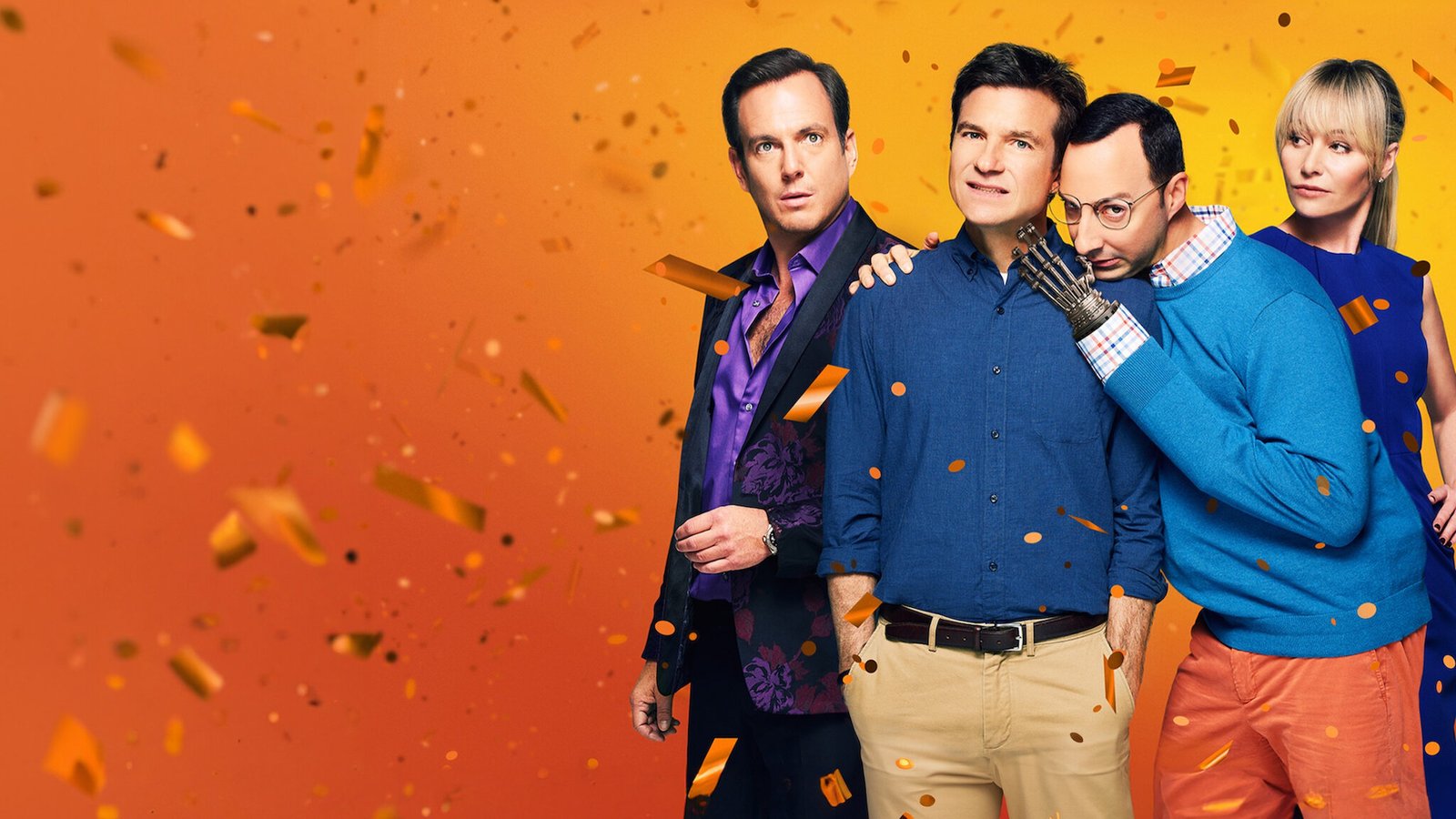
Netflix quietly removing Arrested Development on March 15 might look like just another line item in the never-ending rotation of streaming content. Shows leave, contracts expire, and platforms move on. Except this time, it hits differently. This is not just about a sitcom disappearing from a library. It is about Netflix cutting ties with one of the shows that helped define what streaming television could be.
For more than a decade, Netflix was not simply a place where the Bluth family lived. It was the platform that resurrected them, reframed them, and introduced their chaotic genius to an entirely new generation. Losing Arrested Development feels less like routine housekeeping and more like watching a foundational artifact quietly removed from public view.
The uncomfortable question underneath it all is simple. If this show can disappear, what does permanence even mean in the streaming era?
The Fox Years: Brilliant Television, Terrible Timing
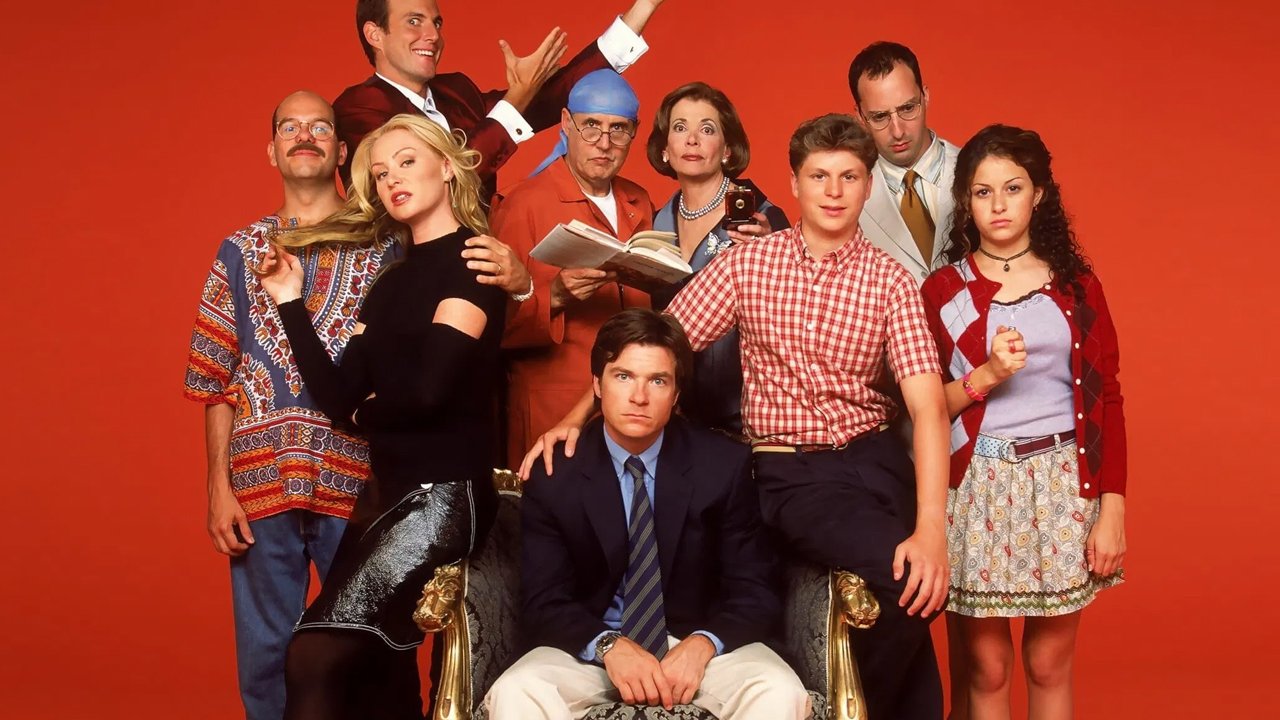
When Arrested Development debuted on Fox Broadcasting Company in 2003, it was immediately clear that it did not fit the television ecosystem of its time. The jokes were too fast, the structure too dense, and the narration too sharp for an era built on casual viewing and forgiving reruns.
Critics embraced it. Awards followed. Emmys stacked up. Ratings, however, never played along. Miss an episode and you were lost. Half-watch while folding laundry and the show punished you. In a pre-streaming world designed for syndication and simplicity, Arrested Development was television built for an audience that did not yet exist.
Behind the scenes, creator Mitchell Hurwitz was stretching himself thin trying to maintain an impossibly high standard. The show’s precision came from obsessive control and relentless rewriting. That kind of quality was not sustainable within a traditional network schedule. By 2006, Fox pulled the plug and Arrested Development entered pop culture limbo as a critically adored failure.
That should have been the end of the story. Instead, it became the foundation of its myth.
Netflix’s Resurrection and a Streaming Gamble
When Netflix announced a revival in 2013, it was not just saving a cult favorite. It was making a declaration. Netflix Originals were still a novelty, not an industry standard. Reviving a famously niche, previously canceled sitcom was a creative and financial gamble.
Season 4 was not built for traditional television. It was engineered specifically for streaming. Fragmented timelines, character-centric episodes, and long-form joke construction rewarded viewers who watched everything. The result was uneven but ambitious, divisive but undeniably bold.
Editor’s Take: Season 4 is still widely misunderstood. It was not inferior television. It was experimental television released before audiences fully understood how to engage with it.
Season 5 exposed the limits of that experiment. Scheduling conflicts, tonal inconsistency, and real-world baggage crept into the narrative. The spark was still there, but it flickered rather than burned. Even so, the Bluth family achieved something rare in modern television. They got an actual ending.
Now, with Netflix’s licensing deal finally expiring after a reported extension with The Walt Disney Company, that era is officially closed.
Why Netflix Letting Go Actually Makes Sense
From a purely business standpoint, removing Arrested Development is logical. Netflix today is not the Netflix of the early 2010s. The platform now prioritizes global franchises, high completion rates, and content it fully owns.
Arrested Development is none of those things. It is culturally specific, dialogue-heavy, and relatively expensive to license compared to how often it is casually rewatched.
Editor’s Take: This is the downside of streaming platforms growing up. The service that once thrived on creative risk is now driven by efficiency. Cultural significance does not always survive optimization.
Logic does not make it any less disappointing. Netflix is not just losing a sitcom. It is quietly distancing itself from its own origin story as a creative disruptor.
Where Could the Bluth Family Go Next?
The most obvious destinations are Disney-owned platforms. Since the show originated under Fox, the rights naturally point toward Hulu or Disney+.
Hulu feels like the cleaner fit. Its brand already embraces adult comedy, cult television, and rewatchable satire. Disney+ could host it, but the tonal mismatch is hard to ignore. The Bluth family does not exactly align with the platform’s carefully curated image.
There is also a more unsettling possibility. The show may not land anywhere prominent at all. In a metrics-driven era, cult status alone does not guarantee survival.
If that happens, Arrested Development becomes a cautionary tale. Not about cancellation, but about cultural neglect.
The Cast Has Moved On, the Legacy Has Not
While the show’s streaming future looks uncertain, its cast remains remarkably active. Will Arnett continues to evolve as a creative force, most recently with Is This Thing On?, a reflective comedy-drama that leans more toward indie introspection than broad sitcom humor.
Alia Shawkat has reinvented herself as one of the most compelling performers of her generation, while Tony Hale remains a go-to presence in both prestige television and voice acting. The actors grew up, and so did the audience.
That growth is part of why this removal stings. Arrested Development is not just funny. It is a snapshot of early-2000s television daring to be smarter than its environment.
What This Signals for the Future of Streaming
This moment is not about one sitcom leaving one platform. It is about the illusion of permanence collapsing. Streaming once promised access. What it delivers instead is temporary stewardship.
Shows no longer belong to audiences. They circulate, vanish, and sometimes return. The ones most at risk are the strange, demanding works that do not generate instant engagement.
Editor’s Take: If streaming had existed in the 1990s, many now-canonized shows might have quietly disappeared before their value was recognized.
The Bluth Family Deserves Better, but Will They Get It?
Arrested Development helped teach audiences how to watch television differently. It trusted viewers to pay attention and rewarded them for doing so. That philosophy shaped modern TV far more than many algorithm-friendly hits ever will.
Whether the series resurfaces on Hulu, Disney+, or slips into obscurity, its influence is already secure. The real loss is not its removal from Netflix. The real loss is what that removal says about the current state of streaming culture.
So here is the question worth asking. Does Arrested Development still belong in today’s streaming ecosystem, or has that ecosystem finally lost patience with the intelligence that once made the Bluth family matter?


News
Star Trek: Strange New Worlds Season 4 Is Coming to Paramount+ This Summer
Star Trek: Strange New Worlds Season 4 premieres July 23, 2026 on Paramount+. Paul Wesley returns as Kirk alongside Anson Mount in the penultimate season of the beloved series.

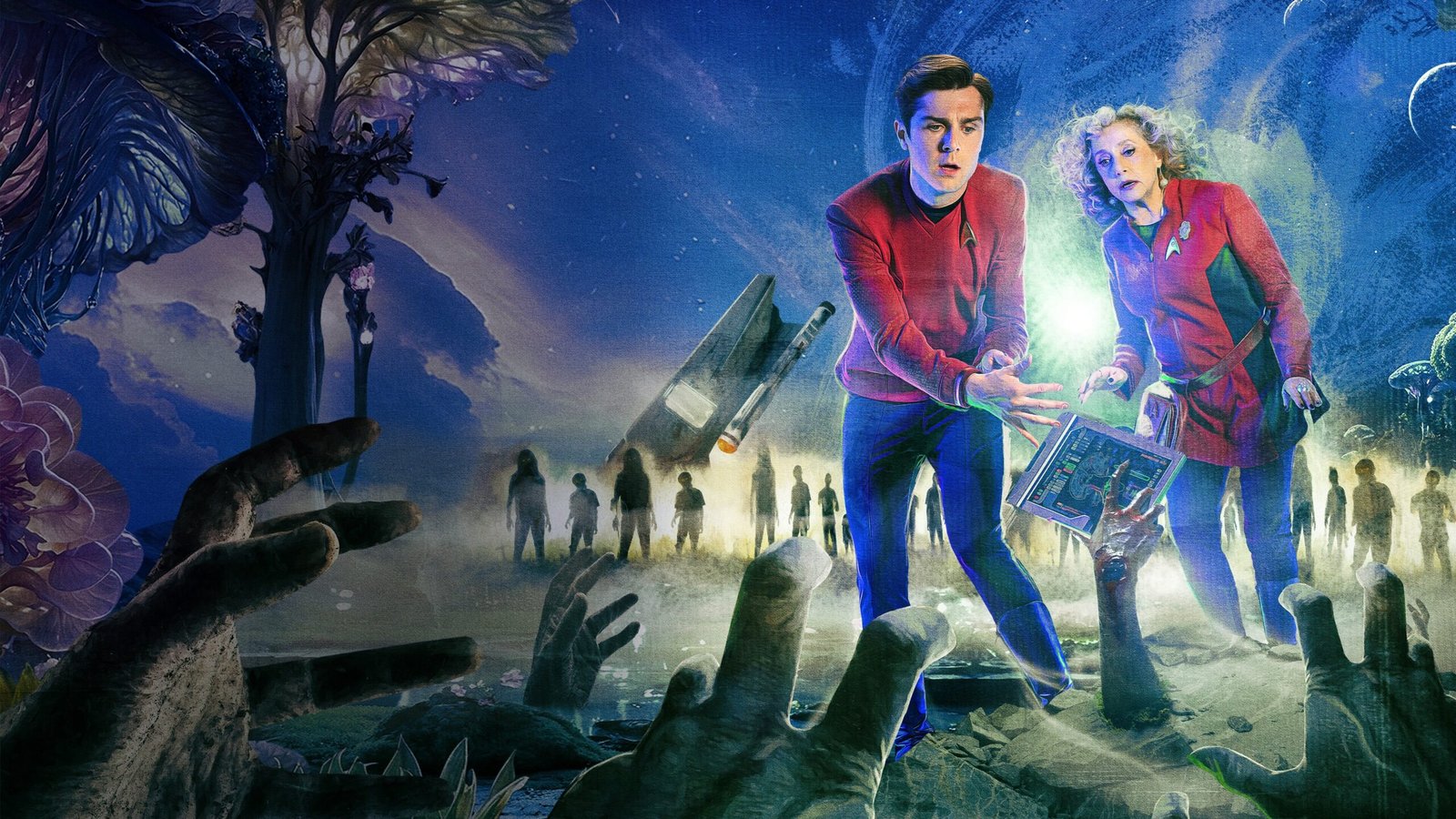
One of Paramount+’s most beloved flagship series is returning this summer. Star Trek: Strange New Worlds Season 4 premieres on July 23, 2026, on Paramount+, with new episodes dropping every Thursday through September 24. The season was officially announced at CCXP Mexico in April, where cast members dropped the exciting premiere date to a crowd of thrilled fans. With the fifth and final season already in production, Season 4 is shaping up to be a pivotal chapter in the series’ legacy.
What Makes Strange New Worlds Special?
Strange New Worlds is set aboard the USS Enterprise before the events of the original Star Trek series, following the adventures of Captain Christopher Pike and his crew. Unlike many modern Star Trek shows, Strange New Worlds embraced a classic episodic format from the very beginning — each episode largely standalone, exploring a new world, new challenge, or new moral dilemma. This approach was widely celebrated by longtime fans and newcomers alike, earning the series some of the best reviews in the franchise’s recent history.
The Cast Returning for Season 4
Anson Mount returns as Captain Pike, alongside Rebecca Romijn as Number One, Ethan Peck as Spock, Celia Rose Gooding as Uhura, and Jess Bush as Nurse Chapel. Crucially, Paul Wesley, who first appeared as James T. Kirk in the Season 1 finale, is confirmed to return in Season 4 — a development that has generated enormous excitement among fans eager to see more of his interpretation of the iconic character.
Season 4 Teaser and What to Expect
The official Season 4 teaser trailer was unveiled at CCXP Mexico on April 25, 2026, offering fans their first glimpse of what is to come. Season 4 will consist of 10 episodes, continuing the weekly release format that has defined the series. The season is expected to continue the show’s tradition of blending science fiction adventure with character-driven drama, philosophical questions, and the occasional genre-bending episode that Strange New Worlds has made its signature.
The Road to the Final Season
In a bittersweet piece of news announced alongside Season 3’s premiere in 2025, Paramount+ confirmed that a sixth-episode fifth season would serve as the series finale, bringing Strange New Worlds to a planned and deliberate conclusion. This means Season 4 is the penultimate chapter — and likely the season where the series begins to lay the groundwork for its farewell. For fans of the show, this creates a sense of urgency and emotional investment that makes Season 4 one of the most anticipated Star Trek events in years.
How to Watch and Release Schedule
Star Trek: Strange New Worlds Season 4 launches on July 23, 2026 exclusively on Paramount+. New episodes will arrive every Thursday through September 24, 2026. The series is available on Paramount+ in the US and on partner services internationally. If you are new to Strange New Worlds, all three previous seasons are currently streaming and make for essential viewing before Season 4 arrives.
Set your phasers to excited. Strange New Worlds Season 4 is just around the corner.
News
Sugar Season 2: Colin Farrell Returns to Apple TV+ With a New Mystery
Sugar Season 2 premieres June 19, 2026 on Apple TV+. Colin Farrell returns as John Sugar with a new missing persons case spiraling into a citywide conspiracy.
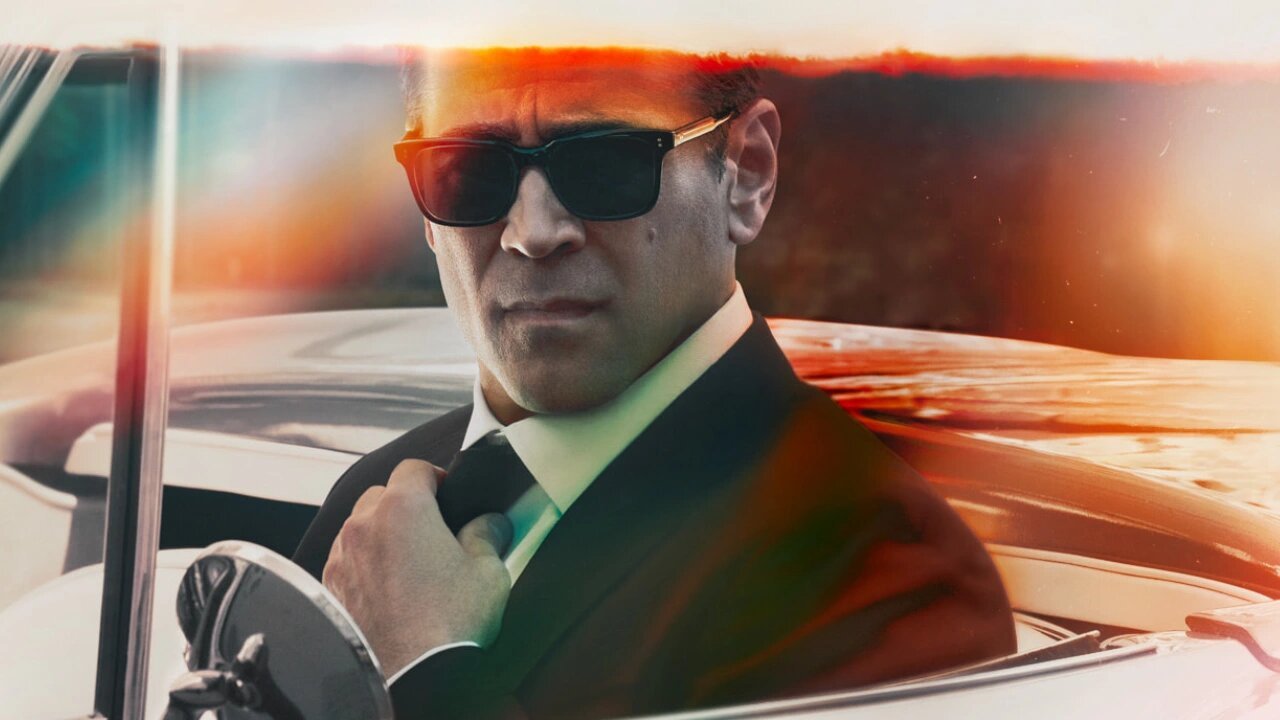
After a two-year wait, one of Apple TV+’s most stylish and surprising dramas is finally returning. Sugar Season 2 premieres on June 19, 2026, on Apple TV+, with one episode launching on premiere day and new installments dropping every Friday through August 7. Colin Farrell is back as John Sugar, Los Angeles’ most compelling private detective, and the stakes are higher than ever before.
What Is Sugar About?
Sugar is a contemporary, neo-noir take on the private detective story — filtered through a deep love of classic Hollywood cinema. John Sugar is a PI unlike any other: meticulous, melancholy, and deeply humane, with an encyclopedic knowledge of film history. Season 1 rocked audiences with a genuinely shocking mid-season revelation that recontextualized everything they had seen. Season 2 picks up in the aftermath of that revelation, with Sugar navigating a world that has become more dangerous and more personal than ever.
Season 2’s New Case
In the second season, Sugar takes on a new missing persons case — searching for the older brother of an up-and-coming local boxer. The investigation quickly expands into a citywide conspiracy with sinister intentions, involving two immigrants from Korea who are caught in its crosshairs. While pursuing this new case, Sugar also continues his desperate search for his beloved missing sister. The two storylines weave together in ways that force Sugar to ask himself one central question: how far will he go to do what is right?
New Cast Members Joining Season 2
Season 2 introduces an exciting array of new stars alongside Farrell. Jin Ha, Raymond Lee, Tony Dalton, Laura Donnelly, and Sasha Calle all join the cast in key roles. Their addition broadens the world of Sugar significantly — bringing new energy and new complications to a series that has always excelled at subverting expectations. Sam Catlin returns as showrunner, having taken over from the first season’s creative team.
Why You Should Be Watching Sugar
Sugar stands apart from the typical prestige drama for several reasons. It combines the pleasures of classic detective fiction with a genuine emotional weight, and Colin Farrell‘s performance is nothing short of revelatory — quiet, expressive, and utterly committed to the character’s strange interiority. The show also has an unmatched visual style, drawing on the aesthetics of golden-age Hollywood while placing its story firmly in the anxious, sun-drenched landscape of contemporary Los Angeles. Season 1 ended with a cliffhanger that begged for resolution, and Season 2 is positioned to deliver something even more ambitious.
Release Schedule and How to Watch
Sugar Season 2 launches on June 19, 2026 on Apple TV+. Following the premiere episode, new installments will arrive every Friday through August 7, 2026, for a total of eight episodes. The series is available exclusively via Apple TV+, which can be accessed on a wide range of devices. If you have not yet watched Season 1, now is the perfect moment to catch up before the new episodes begin.
John Sugar is back in Los Angeles, and the city has never looked more beautiful or more dangerous. Do not miss it.
News
Silo Season 3 on Apple TV+: Split Timelines, New Cast, and Everything We Know
Silo Season 3 premieres July 3, 2026 on Apple TV+. A split timeline exploring the silo’s origins, a stellar new cast, and Rebecca Ferguson back at her best.
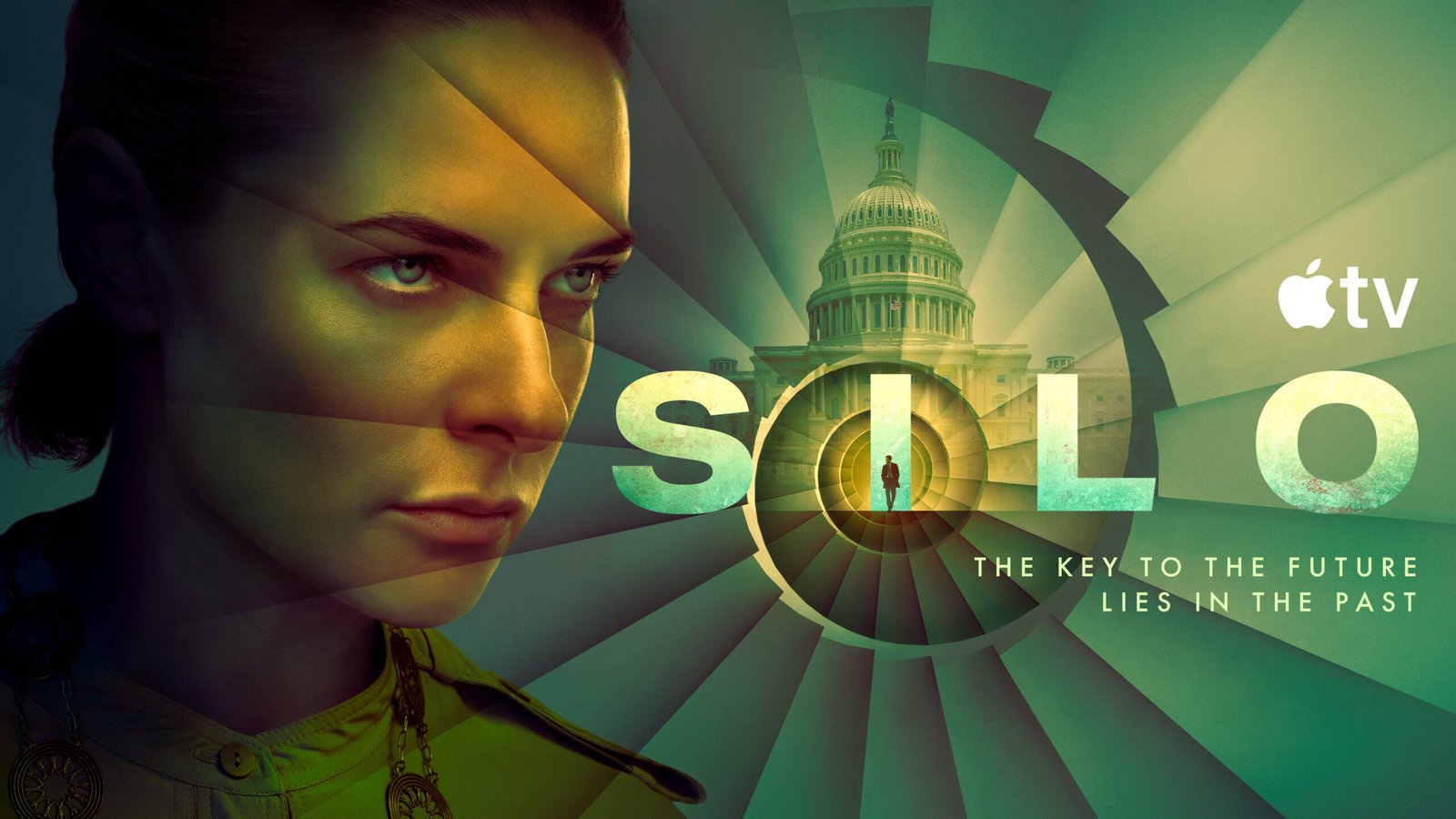
One of Apple TV+’s most gripping sci-fi dramas returns this summer. Silo Season 3 premieres on July 3, 2026, on Apple TV+, with new episodes dropping every Friday through September 4. After a pulse-pounding second season that ended with Juliette’s survival and the silo’s future hanging in the balance, the third chapter promises to be the most expansive and ambitious yet — introducing a split timeline that travels centuries into the past to reveal the origins of the silo itself.
What Happened in Season 2?
Juliette Nichols, played by the incomparable Rebecca Ferguson, survived her forced “cleaning” outside the silo but returned with severe memory loss. The silo itself is recovering from a deadly internal rebellion, even as a dangerous new threat begins to emerge from the shadows. The season finale left audiences with urgent questions: Who built the silo? Why? And what lies beyond what anyone has been told?
Season 3’s Split Timeline Premise
Season 3 is structured around two distinct timelines running in parallel. In the present, Juliette continues her struggle for the silo’s survival while grappling with her fractured memories. In the “Before Times,” journalist Helen Drew — played by Jessica Henwick — and Congressman Daniel Keene — played by Ashley Zukerman — uncover a vast conspiracy that pulls them into a chain of events with catastrophic, irreversible consequences. This origin story, set centuries before the events of the main series, promises to reframe everything viewers thought they knew.
New Cast Joining for Season 3
The returning ensemble remains strong: alongside Ferguson, the cast includes Common, Harriet Walter, Chinaza Uche, Avi Nash, and Steve Zahn, who reprises his role as Solo. The new additions are equally exciting: Laura Innes, Jessica Brown Findlay, Morven Christie, Reed Birney, Matt Craven, and Colin Hanks, set to recur. These additions suggest a significantly expanded world — particularly in the “Before Times” storyline.
The Release Schedule
Like previous seasons, Silo Season 3 follows a weekly release format. The first episode drops on July 3, 2026, with new installments every Friday through September 4, 2026, for a total of 10 episodes. This gives audiences the chance to savor each chapter and discuss theories week by week — a format perfectly suited to a show this rich in lore and mystery.
Why Silo Is One of the Best Shows on Television
Since its premiere in 2023, Silo has distinguished itself in a crowded field of dystopian dramas. Based on Hugh Howey‘s trilogy of novels, the series has been praised for its meticulous world-building, its refusal to take easy narrative shortcuts, and above all for Rebecca Ferguson‘s towering central performance. The show is a rare example of prestige sci-fi that trusts its audience — asking hard questions about power, truth, and the lengths to which humans will go to survive. Season 3 looks set to answer those questions in ways that will stay with viewers long after the finale.
Mark your calendars for July 3. Silo Season 3 is almost here, and it looks unmissable.


 Movies1 year ago
Severance Season 2 Release Date, Cast, and What to Expect from the Darker Return

 Movies1 year ago
Predator Badlands Release Date, Cast, Plot & What We Know

 News1 year ago
Sadie Sink Joins the MCU: First Look at Spider-Man: Brand New Day Set Photos

 News11 months ago
Jason Momoa to Lead New Apple TV Biker Series ‘Nomad’

 News2 years ago
Walter White’s Iconic Breaking Bad House Hits the Market for $4 Million

 Movies12 months ago
Jaafar Jackson Steps Into the Spotlight as Michael Jackson in the 2026 Biopic

 TV Shows11 months ago
Death Stranding Isolations: Everything to Know About the New Disney+ Animated Series

 Magazine11 months ago
Elizabeth Olsen Clears the Air on Wanda’s MCU Future