Magazine
Matthew McConaughey and Michael Caine Bring Their Voices to the Future With ElevenLabs
Matthew McConaughey and Michael Caine join ElevenLabs to bring their voices into AI, introducing a new era of storytelling and creativity through voice technology.

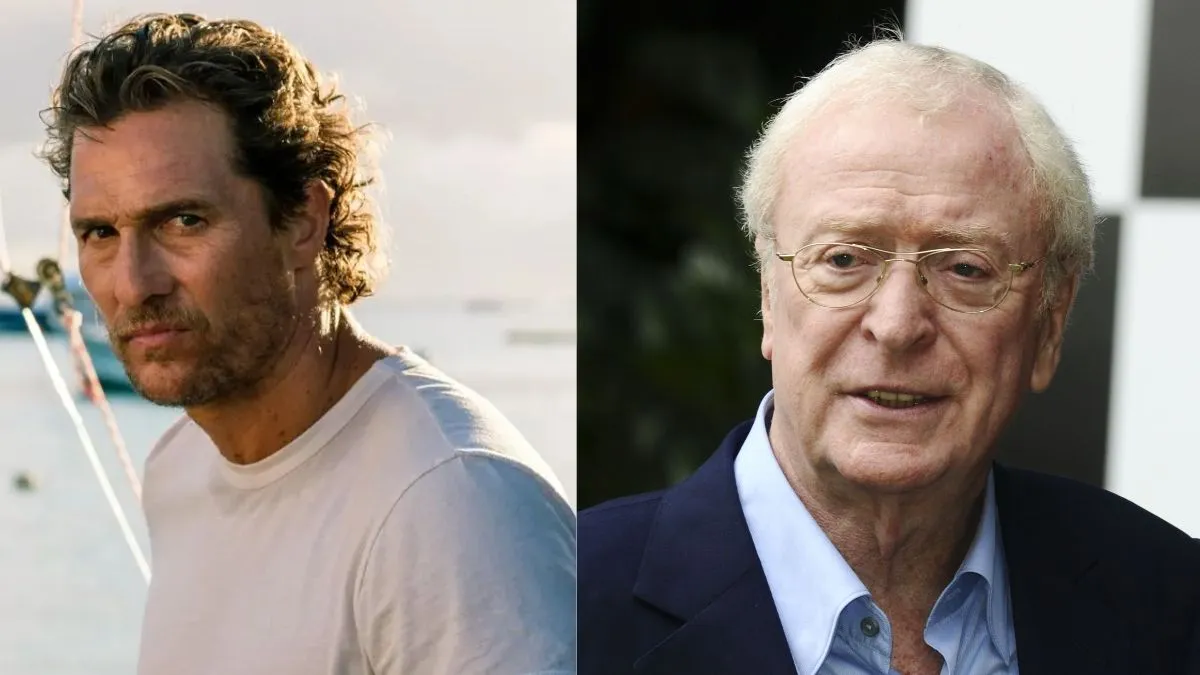
Hollywood legends Matthew McConaughey and Michael Caine are stepping into the future of storytelling with ElevenLabs, a leading company in AI-generated audio. The collaboration shows how artificial intelligence can expand creative possibilities while keeping the human element of voice and emotion at the center.
Try ElevenLabs and explore AI voice technology here.
McConaughey has been involved with ElevenLabs since its early days in 2022 and has now become both a creative partner and investor. He is using the company’s technology to create a Spanish-language version of his newsletter “Lyrics of Livin’,” narrated in his own AI-generated voice. In his announcement, McConaughey explained that ElevenLabs has found a way to make technology feel personal and emotional. “Since our first conversation, I’ve been impressed by how the ElevenLabs team has taken the magic of technology and turned it into something creators and storytellers use every day. Now, with the Spanish version of ‘Lyrics of Livin,’ we can reach and connect with even more people through something timeless: our voices.”
This expansion shows how AI can help creators communicate beyond language barriers, allowing their voices to connect with global audiences. McConaughey’s partnership with ElevenLabs combines innovation with authenticity, reflecting his ongoing interest in technology that feels human rather than mechanical.
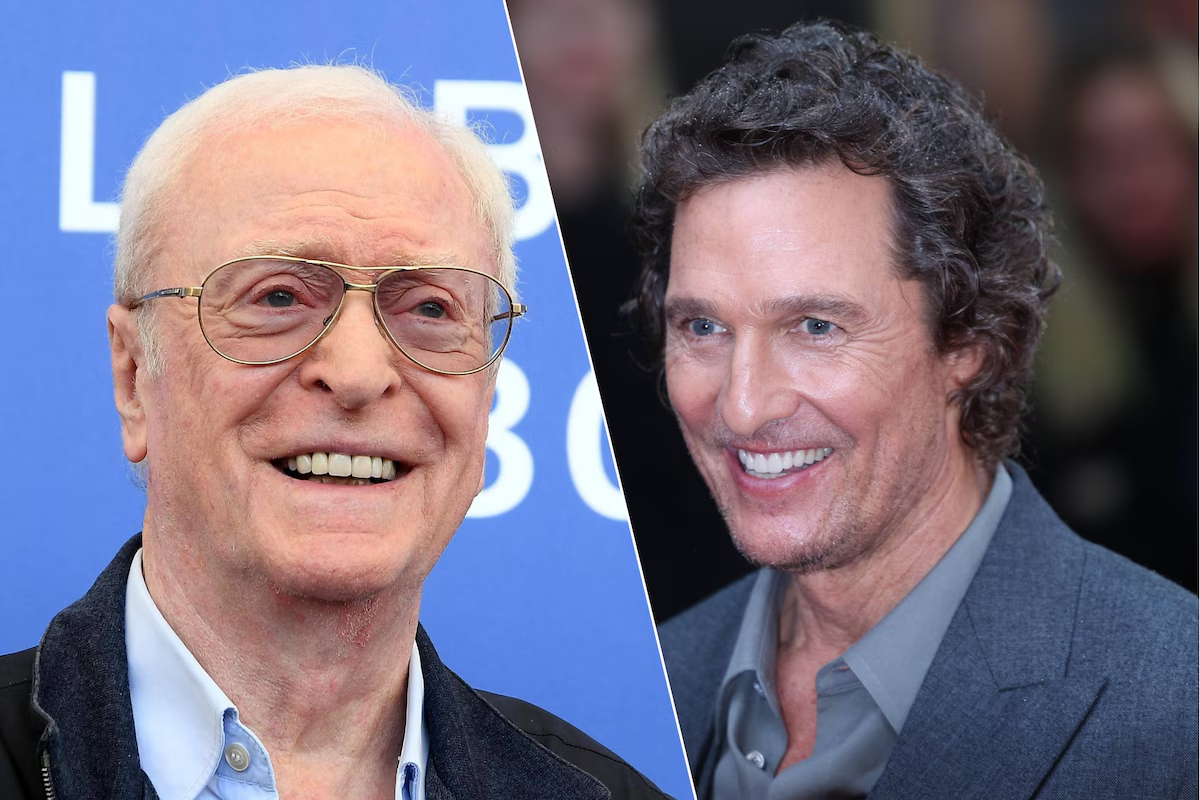
Michael Caine Joins the Iconic Voice Marketplace
At the same time, Sir Michael Caine has joined ElevenLabs’ Iconic Voice Marketplace, a platform that allows creators and companies to license digital recreations of famous voices responsibly. Through this marketplace, users can request permission to use Caine’s digital voice for projects such as documentaries, narration, and storytelling.
Discover the Iconic Voice Marketplace on ElevenLabs.
Caine’s AI-generated voice appears in ElevenLabs’ promotional video, where he reflects on the balance between innovation and creativity. “Each new advancement in technology is met with caution, and rightly so. But every time, the human drive for passion, artistry, and creativity prevails. Technology is just the medium. This is humanity amplified.”
In a statement, Caine said he joined the project to help preserve and share voices for future generations. “For years, I’ve lent my voice to stories that moved people. Now I’m helping others find theirs. With ElevenLabs, we can preserve and share voices, not only mine but anyone’s. ElevenLabs gives everyone the tools to be heard. It’s not about replacing voices but about amplifying them.”
The Iconic Voice Marketplace also features digital recreations of Judy Garland, Maya Angelou, Babe Ruth, and John Wayne. ElevenLabs built the marketplace to create an ethical licensing system for using AI voices while protecting the rights and legacies of the individuals represented.
How ElevenLabs Is Changing the Future of Storytelling
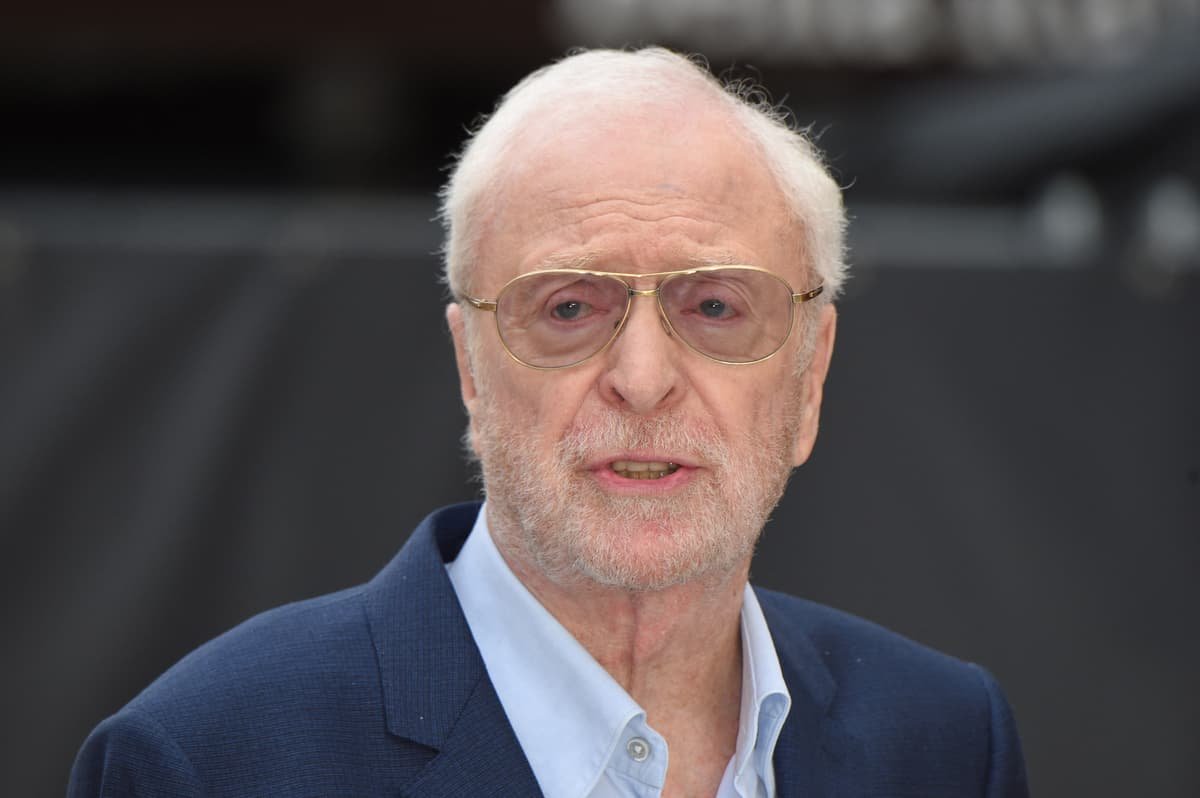
The partnership with McConaughey and Caine highlights a growing acceptance of AI technology in the entertainment industry. Rather than replacing human creativity, ElevenLabs is using AI to enhance it. The company provides voice tools that allow artists, studios, and educators to experiment safely with digital narration while respecting ownership and consent.
Mati Staniszewski, CEO and co-founder of ElevenLabs, said the marketplace represents how AI can responsibly expand opportunities for both studios and talent. He described Caine as an icon whose voice has defined decades of storytelling and said the goal is to celebrate, not replicate, that legacy.
Experience what ElevenLabs can do for creators and storytellers.
McConaughey’s multilingual voice projects and Caine’s involvement in ethical voice preservation show how AI can build bridges between generations and cultures. Their collaboration underlines that the voice remains one of the most powerful tools in storytelling, even in the age of artificial intelligence.
The Human Side of Artificial Intelligence
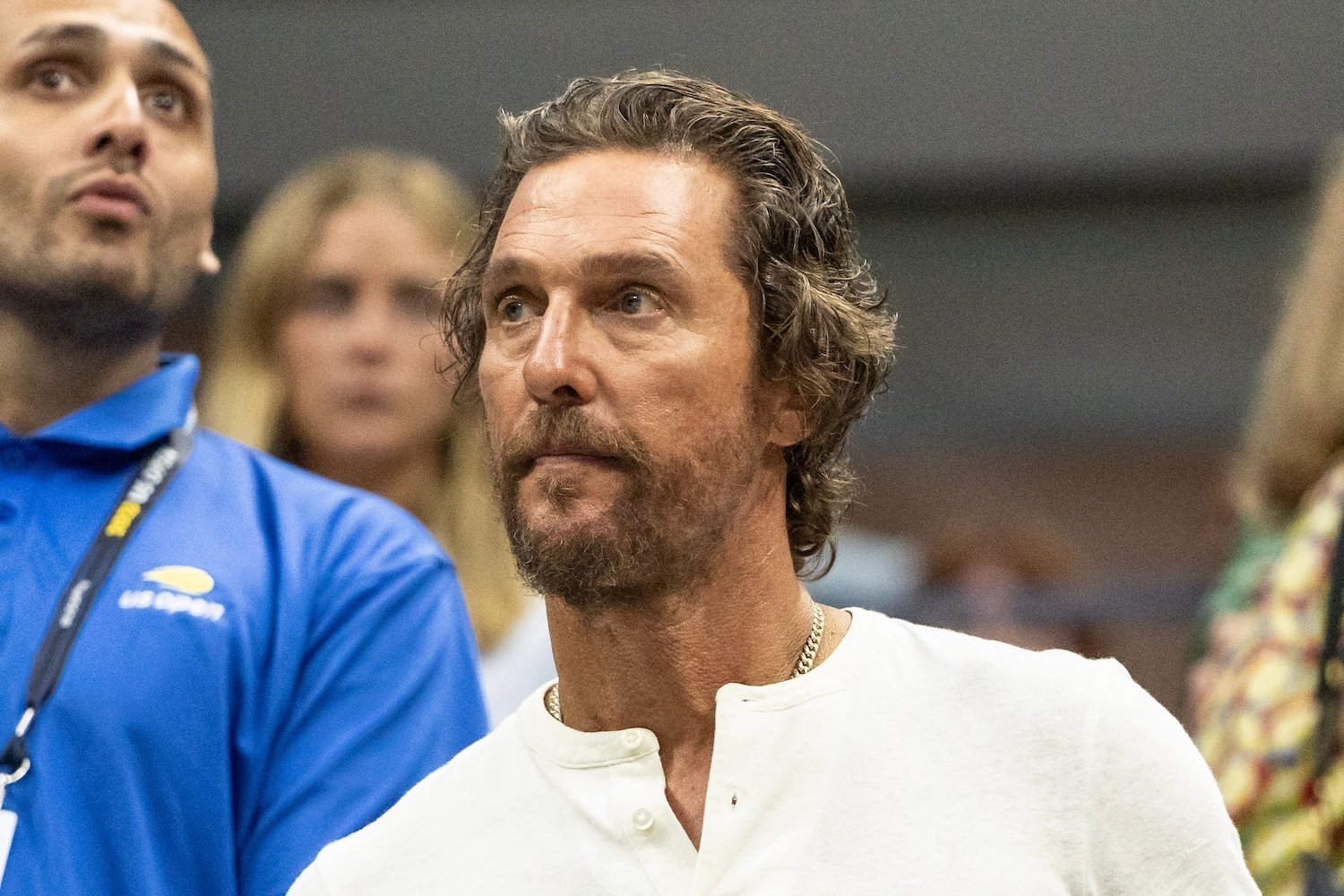
ElevenLabs continues to prove that technology and humanity can work together to inspire creativity. With McConaughey focusing on sharing his stories in multiple languages and Caine helping to preserve classic voices, both actors are redefining what it means to communicate in the digital era.
The company’s approach to ethical AI voice use sets a model for how the industry can respect creative ownership while embracing innovation. By providing tools that enhance storytelling rather than replace it, ElevenLabs is helping shape a future where creativity and technology evolve side by side.
If you want to see how AI voice tools can bring your ideas to life, explore ElevenLabs today and discover the power of human expression through digital innovation.
👉 Try ElevenLabs now and start creating with your own voice.

Magazine
Matt Damon and The Bourne Ultimatum: The “Career-Ender” Script That Nearly Derailed Jason Bourne
Matt Damon says an early Bourne Ultimatum draft felt like a “career-ender”—a rare look at how one bad script can threaten even a bankable star and a franchise machine.

Matt Damon has always had the dangerous kind of credibility in Hollywood: the kind you earn by being good enough that people believe you. Believe you as a math genius janitor from South Boston, a cold-eyed con artist in The Talented Mr. Ripley, a soldier in Spielberg’s war machine, and—most lucratively—an amnesiac weapon pointing back at the CIA. That credibility is also why his confession hits harder than the usual celebrity “we had doubts” fluff.
In a GQ profile, Damon described reading an early draft of The Bourne Ultimatum and thinking: this is unreadable, this is embarrassing, this could end me. Not “the movie might underperform.” Not “critics might grumble.” A straight-up “career-ender” panic, the kind that makes even a star picture himself getting memed into irrelevance.
Why does that matter? Because it exposes the part of franchise filmmaking audiences rarely see: how fragile the machinery is, how often a “sure thing” is held together by rewrites, ego management, and last-minute alchemy. The Bourne Ultimatum didn’t become a cultural benchmark because it was destined to. It became one because, at some point, it was in danger of being a very expensive faceplant—and the people involved knew it.
Background: From Good Will Hunting to the Bourne Franchise Pressure Cooker
Before Damon was a dependable tentpole face, he was a writer chasing control. Good Will Hunting wasn’t just a breakout performance; it was a statement of authorship—Damon and Ben Affleck didn’t arrive asking for permission, they arrived with pages. The film (1997) became a phenomenon and won them the Academy Award for Best Original Screenplay at the 70th Oscars. That early “I can make the thing” DNA matters here, because writers don’t read scripts the way actors do. Writers read like mechanics. They can smell when the engine is going to seize.
Then came the post-breakout career building: the prestige choices, the directors, the “serious actor” runway. By the time The Bourne Identity landed, Damon wasn’t desperate—he was picky. That’s why his other GQ recollection is so telling: he signed on expecting one movie, and only if it worked would there be more. That’s not the voice of someone chasing a franchise; it’s someone trying not to get trapped in one.
And then the franchise did what franchises do: it turned “one movie” into a multi-year identity. Bourne wasn’t just a hit; it helped rewrite the modern action-thriller grammar—less tuxedo fantasy, more hand-to-hand panic, more surveillance-state paranoia, more “the camera is a witness, not a participant.” Paul Greengrass, especially, became synonymous with a kinetic style that influenced a decade of studio action, for better and for worse.
By the time Ultimatum was happening, this wasn’t a scrappy sequel job. It was a crown-jewel studio asset, with expectations, timelines, and a fanbase that would punish any whiff of complacency.
News Details and Analysis: The “Unreadable” Draft, the Ego Damage, and the Fix
Here’s the headline inside the headline: Damon didn’t claim The Bourne Ultimatum almost destroyed his career because the final movie was bad. History makes that argument laughable. The Bourne Ultimatum was a monster hit—$69.28M opening weekend domestic and $227.47M domestic total, with a worldwide haul north of $442M depending on the reporting source. It also won three Oscars (editing and sound categories), the kind of technical sweep that signals industry respect for craft, not just commercial momentum.
The “career-ender” fear was about the version of the movie that almost existed—the version sitting on his desk in script form.
In that GQ interview, Damon describes Universal paying writer Tony Gilroy a large amount before the screenplay was finished, then receiving what he saw as an early draft turned in as final. His reaction wasn’t polite: “unreadable,” “terrible,” “really embarrassing,” and the nuclear line—“This is a career-ender.”
Editor’s take: Damon’s quote is rude… and also a little too honest in a way Hollywood hates. Actors are expected to be promotional furniture—smile, hit marks, praise collaborators, repeat “we had the best time.” Damon did the unforgivable: he spoke like a producer who’d just found termites in the foundation. The subtext is even nastier: he implies the studio’s process incentivized mediocrity—pay big, accept whatever arrives, and pray post-production will save it. That’s not just an insult to a writer; it’s an indictment of how blockbusters sometimes get financed like derivatives.
But the more interesting piece is what happened next: the movie got fixed. Damon acknowledges later tweaks and changes made it work as a satisfying end to the trilogy. Which is Hollywood code for some combination of rewrites, structural surgery, and on-the-ground rethinking once Greengrass is staging sequences and discovering story in motion.
Let’s be blunt: Bourne movies are not “script-first” in the way dialogue-driven dramas are. They’re choreography-first, momentum-first, cause-and-effect-first. The script is a blueprint for velocity. If that blueprint is shaky, everything collapses—set pieces become noise, paranoia becomes confusion, and the protagonist’s inner crisis turns into a shrug. In that sense, Damon’s fear makes perfect sense: if Ultimatum had landed as a messy, incoherent third chapter, Damon doesn’t just lose a movie—he risks getting branded as the guy who drove an A-list franchise into a wall.
Editor’s take: The real “career-ender” in franchise culture isn’t failure; it’s blame. Studios forgive underperformance when they can point to market conditions. Audiences forgive one bad movie if you come back with a banger. But a star attached to a “bad trilogy-ender” gets a sticky residue: “He picks safe projects,” “He cashed out,” “He stopped caring.” That residue follows you into awards campaigns, into packaging meetings, into the kind of roles that require trust.
Then there’s the apology. Damon later walked his comments back and called himself “unprofessional” and “douchey,” admitting it should have stayed between him and Gilroy.
Editor’s take: This is the rare celebrity apology that rings true because it’s not framed as moral awakening—it’s framed as emotional impulse and ego bruise. “My feelings were hurt,” he says, which is refreshingly human: the guy who helped redefine 2000s masculinity on-screen is still just a coworker reacting badly to a colleague’s perceived negligence. The apology also quietly restores a crucial point: Damon respected Gilroy’s talent enough to be upset. Nobody rants like that about someone they think is irrelevant.
And Gilroy isn’t irrelevant. He’s credited across the first three Bourne films and later wrote and directed The Bourne Legacy; he’s also behind Michael Clayton, which is basically the patron saint of adult paranoia cinema. If Damon’s story is accurate, then the conflict wasn’t “hack vs artist.” It was “franchise timeline vs writer process”—and the studio’s money-tracking impatience.
Industry Impact and What It Predicts Next: Franchise Filmmaking’s Dirty Secret
The reason this anecdote keeps resurfacing is that it explains modern Hollywood better than a thousand press junkets.
First: it highlights the structural insanity of paying for certainty in an uncertain art form. If you pay top dollar upfront, you’re not buying pages—you’re buying the comfort of thinking you’ve controlled the risk. When the pages arrive and they’re not ready, you face a choice: delay (expensive), replace (political), or patch it in production (chaotic). Damon’s account suggests Ultimatum went the patch route—and, unusually, pulled it off.
Second: it reinforces how much action cinema depends on editorial intelligence. Ultimatum winning Best Film Editing isn’t trivia; it’s the smoking gun. Editing is where a potentially “unreadable” blueprint can become a coherent experience—where geography, intention, and escalation get clarified. The Academy doesn’t hand editing Oscars to films that merely exist; they hand them to films that solve problems at high speed.
Third: it explains why so many franchises feel “overwritten” or “underwritten” today. Studios have learned to treat scripts like modular parts: if the third act doesn’t work, reshoot it; if character motivation is thin, ADR a line; if the villain is muddy, add exposition. That creates movies that function but don’t sing. Bourne worked because its creative team cared about clarity inside chaos—about making paranoia legible.
As for awards and box office expectations: the Bourne series proved that adult-skewing action could be both commercially massive and critically respected. It also helped shift the industry toward grounded spy storytelling—notice how post-Bourne Bond got grittier, and how “realistic” handheld action became a default language for studios chasing intensity.
Oscar chances for future entries in that lane? Action films rarely break into above-the-line categories unless there’s a social “event” around them, but the technical categories remain a real runway—sound, editing, sometimes cinematography—especially when a film redefines form rather than just repeating it. Ultimatum is basically a case study in that technical prestige path.
Wrap-Up and a Question for Just Cinema Page Readers
Damon’s “career-ender” moment is compelling because it punctures the myth of inevitability. We look back at The Bourne Ultimatum as a clean franchise win: the tight ending, the propulsive momentum, the technical Oscars, the box office dominance. But in the middle of making it, the people closest to the machine thought it might implode—and that one document, one draft, could have rewritten Damon’s entire star narrative.
It’s also a reminder that “professionalism” in Hollywood often means “never reveal the panic.” Damon revealed it, then regretted the mess, then admitted the regret. That arc—panic, outburst, repair—is more honest than the polished mythology we’re usually sold. And it makes the finished film feel less like a product and more like a narrow escape.
So here’s the question: If you could read the “unreadable” first draft Damon talked about, would you want to—or would it ruin the magic of how The Bourne Ultimatum turned out?
Magazine
Millie Bobby Brown’s Favorite Movies Reveal More Than Taste: They Reveal a Generation’s Emotional Cinema
Millie Bobby Brown reveals her favorite movies, including Pixar’s Up and Star Wars: Revenge of the Sith. A deep cinema analysis on what her choices say about modern stardom, emotional storytelling, and Hollywood’s evolving taste culture.

Introduction: Why This Actually Matters
When actors list their favorite movies, it usually feels like harmless trivia. A cute anecdote for fans, a filler quote for entertainment sites, something you scroll past without thinking twice. But every once in a while, a list like this quietly says something bigger about where cinema is and where it is heading.
Millie Bobby Brown recently shared her all time favorite movies in a Letterboxd interview, naming Pixar’s Up from 2009 and Star Wars: Revenge of the Sith from 2005 as personal standouts. On paper, this looks like a familiar mix of animation nostalgia and blockbuster mythology. Look closer, and it becomes a small but telling snapshot of how a generation raised on franchise cinema and emotionally intelligent animation processes storytelling, loss, heroism, and identity.
This is not just about what Millie Bobby Brown likes to watch on a Sunday night. It is about what kind of cinema resonates with the most influential young actors in Hollywood today, and what that means for the future of mainstream storytelling.
Background: Millie Bobby Brown, Child Stardom, and Emotional Literacy in Cinema

Millie Bobby Brown did not grow up in a typical Hollywood trajectory. She became globally famous as Eleven on Stranger Things before she was even old enough to legally drive. That matters when discussing her relationship with cinema.
Child actors often gravitate toward films that speak emotionally rather than intellectually. They connect to stories that process feelings they may not yet have language for. Brown’s earlier comments about Up back in 2023, during a conversation with Stranger Things co star Noah Schnapp, already hinted at this. She singled out the opening sequence of Up, a nearly wordless montage about love, aging, loss, and regret, as something deeply personal.
That opening is legendary not because it is sad, but because it is precise. It compresses an entire human life into a few minutes and trusts the audience to feel rather than be told what to feel. For a young performer who has had to communicate trauma, confusion, and emotional isolation through performance rather than dialogue, it makes perfect sense that this sequence would leave a mark.
Brown’s career has also oscillated between high concept spectacle and intimate emotional work. Stranger Things, Enola Holmes, and even her more uneven projects all require an actor who can ground heightened narratives in emotional truth. Her favorite movies reflect that instinct.
The Movies Themselves: Up and Revenge of the Sith as Emotional Pillars
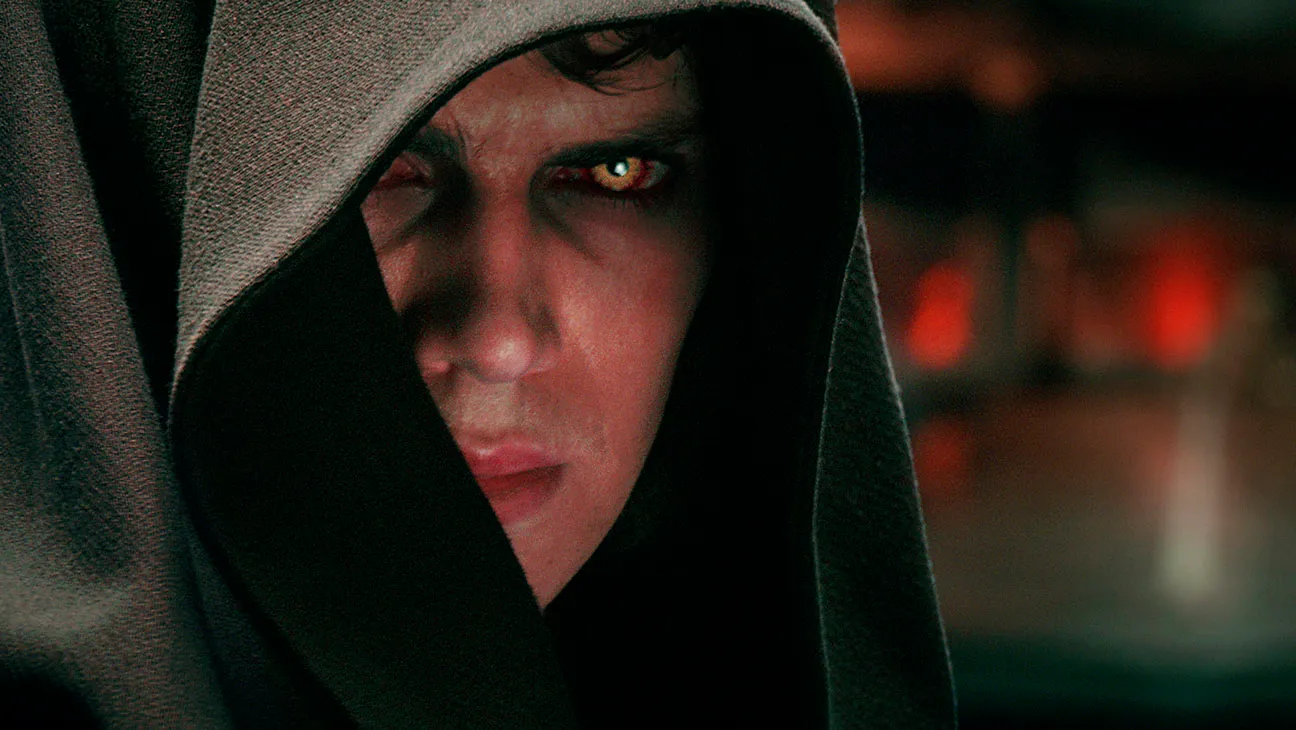
At first glance, Up and Star Wars: Revenge of the Sith seem like very different films. One is a Pixar animation about an elderly widower and a floating house. The other is the darkest chapter of a space opera about the fall of a hero and the birth of a villain. The connective tissue is not genre. It is emotional rupture.
Up is often mislabeled as a children’s movie. Its opening sequence is one of the most devastating portrayals of grief in mainstream cinema, animated or otherwise. It deals with infertility, deferred dreams, aging, and loneliness without a single line of spoken exposition. That kind of storytelling is brave, especially for a studio brand often associated with safe entertainment.
Editor’s commentary: Liking Up is not a safe answer. It is an honest one. Anyone who truly loves that film understands that it hurts on purpose. Brown’s repeated emphasis on the opening sequence suggests she is responding to cinema that trusts silence and restraint, not just spectacle.
Revenge of the Sith occupies a similarly misunderstood position. For years, it was dismissed as the weakest era of Star Wars filmmaking. Today, it has undergone a cultural reassessment, especially among younger audiences who grew up with the prequels. The film is tragic, operatic, and unashamedly bleak. It is about the failure of institutions, the seduction of power, and the terror of losing control.
Anakin Skywalker’s transformation into Darth Vader is not framed as a twist but as an inevitability driven by fear and manipulation. This is not heroic fantasy. It is cautionary myth.
Editor’s commentary: Choosing Revenge of the Sith over safer legacy picks like A New Hope or The Empire Strikes Back signals something important. Brown gravitates toward narratives where the hero loses, where good intentions collapse under emotional pressure. That mirrors the darker tone of modern blockbuster storytelling and perhaps her own screen persona.
These choices suggest an actor attuned to emotional consequence rather than narrative comfort.
The Noah Schnapp Contrast: Taste as Personality, Not Branding
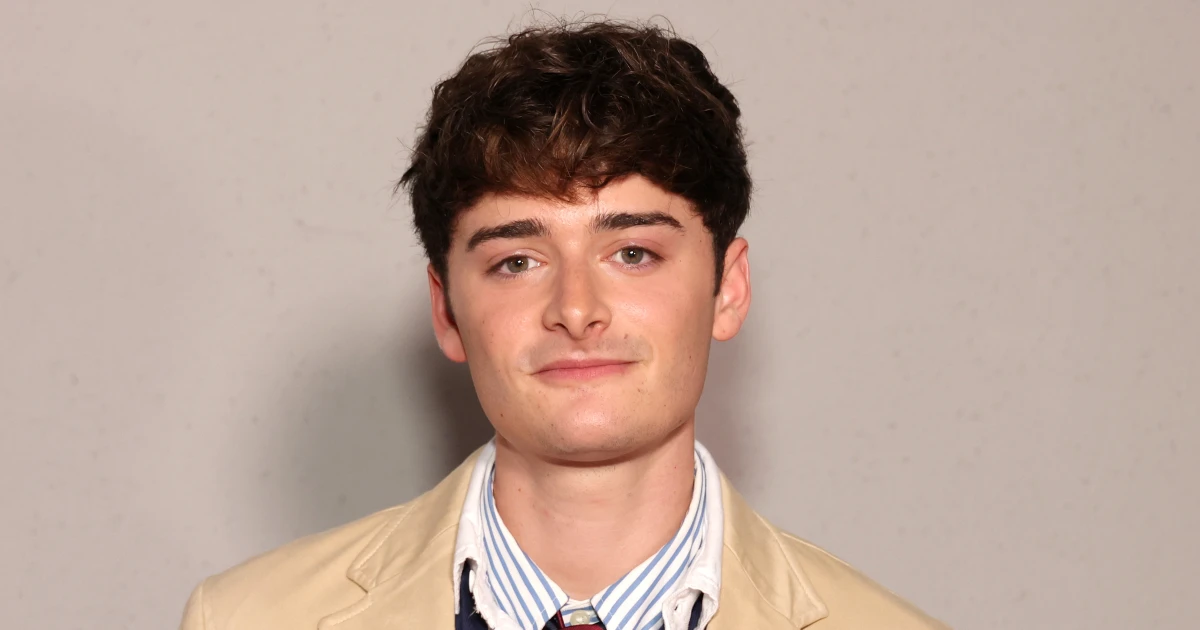
The anecdote becomes richer when contrasted with Noah Schnapp’s favorite film choice: Disney’s Moana. Moana is a vibrant, optimistic musical about self discovery, cultural heritage, and restoring balance. It is emotionally warm where Up is melancholic and where Revenge of the Sith is tragic.
This contrast is revealing. Both actors emerged from the same cultural phenomenon, yet their cinematic touchstones diverge sharply.
Editor’s commentary: This difference is healthy. It reminds us that actors are not brand extensions of the characters they play. Brown’s preferences lean inward and reflective. Schnapp’s lean outward and aspirational. Neither is right or wrong, but together they show the range of emotional entry points modern audiences have into cinema.
For fans, this humanizes them. For industry watchers, it hints at the types of projects they may gravitate toward as their careers mature.
Industry Impact and Future Predictions: What This Means for Hollywood

Hollywood pays attention to what its young stars value, even if it does not admit it publicly. When the next generation of A list actors openly praises emotionally complex animation and tragic blockbuster entries, it reinforces ongoing shifts in the industry.
First, animation continues to shed its stigma as secondary cinema. Films like Up are increasingly cited as emotional benchmarks, not genre exceptions. This strengthens the case for animation as prestige storytelling, not just family entertainment.
Second, the reevaluation of films like Revenge of the Sith aligns with Hollywood’s current appetite for darker franchise material. Studios have learned that audiences raised on moral ambiguity and serialized television are comfortable with heroes who fail and systems that break.
Editor’s commentary: Brown’s taste aligns perfectly with where blockbuster cinema is heading. Less clean heroism, more emotional damage. Less certainty, more consequence. If she transitions into producing or selecting passion projects, expect stories that hurt a little.
From a career standpoint, these preferences suggest Brown may increasingly seek roles that allow emotional range rather than pure spectacle. Her interest in layered, painful storytelling could position her well for prestige drama as she ages out of child star expectations.
Oscar wise, this does not mean awards are imminent. It means taste is being shaped early. Actors who admire emotionally rigorous films tend to chase challenging material. That is often how awards narratives begin.
Conclusion: What Her Favorites Say About Us

Millie Bobby Brown’s favorite movies are not just personal comfort watches. They are cultural signals. They reflect a generation that grew up with animated films unafraid of grief and franchises unafraid of tragedy.
Up teaches that love leaves scars. Revenge of the Sith teaches that fear can destroy the best intentions. These are not childish lessons. They are deeply adult ones, absorbed early by an audience that has never known a world without global franchises and emotional overload.
The real question is not whether you agree with her picks. It is whether modern cinema is doing enough to meet the emotional intelligence of the audience that grew up on films like these.
Do you think Hollywood is ready to fully embrace emotionally challenging stories at blockbuster scale, or will it keep retreating to safer nostalgia?
Magazine
Will Warner Bros Discovery Reject Paramount’s 108.4 Billion Dollar Offer?
Warner Bros Discovery’s board is reportedly preparing to reject Paramount’s 108.4 billion dollar acquisition offer and move forward with its existing Netflix agreement.
The high stakes battle over Warner Bros Discovery appears to be reaching a decisive moment. According to sources familiar with the situation, the company’s board is close to making a final call on Paramount Skydance’s massive acquisition proposal.
Reuters reports that the board is expected to recommend shareholders vote against Paramount’s 108.4 billion dollar offer. An official announcement could come as early as Wednesday, signaling a major shift in one of the most closely watched media takeover battles in recent years.
Warner Bros Discovery Board Nears a Critical Decision
If the board follows through with this recommendation, Warner Bros Discovery would remain committed to the deal it previously reached with Netflix. That agreement has already drawn significant attention from both Hollywood insiders and Wall Street analysts.
Earlier this month, Netflix signed a deal valued at roughly 27 billion dollars in cash and stock for Warner Bros Discovery’s non cable assets. At the time, many believed the agreement was effectively locked in.
Paramount’s Higher Bid Changed the Landscape
The situation changed dramatically when Paramount CEO David Ellison stepped in with a competing proposal. Ellison directly appealed to Warner Bros Discovery shareholders with a cash offer of 30 dollars per share for the entire company.
That bid values Warner Bros Discovery at approximately 108.4 billion dollars, significantly higher than Netflix’s offer. Paramount has argued that its proposal is not only financially superior but also more likely to receive regulatory approval.
How Paramount Structured Its Financing
In regulatory filings, Paramount emphasized the strength of its financial backing. The company disclosed that 41 billion dollars in new equity had been secured with support from the Ellison family and RedBird Capital.
In addition, Paramount stated that it had obtained 54 billion dollars in debt commitments from major institutions including Bank of America, Citi, and Apollo. On paper, the structure positioned the offer as one of the most robust financing packages seen in a media deal.
Signs of Strain in Paramount’s Funding Plan
Despite the strong initial presentation, cracks may be forming in Paramount’s financing. Bloomberg reports that Affinity Partners, an investment firm linked to Jared Kushner, has decided to step away from the deal.
This withdrawal could raise concerns about long term stability and risk, factors that the Warner Bros Discovery board is reportedly examining closely as it weighs its options.
Why This Decision Matters for the Streaming Wars
Warner Bros Discovery controls one of the most valuable content libraries in the world. Its assets include classic films like Casablanca and Citizen Kane, major franchises such as Harry Potter, and globally recognized brands like HBO, Friends, and HBO Max.
Whichever company ultimately wins control of Warner Bros Discovery would gain a powerful advantage in the ongoing streaming wars. The board’s decision is expected to reshape competitive dynamics across the entertainment industry.
As the announcement approaches, all eyes remain on Warner Bros Discovery and the choice that could redefine Hollywood’s future.

The Lincoln Lawyer Season 4: Mickey Haller Returns for His Most Dangerous Case Yet

A Knight of the Seven Kingdoms: The Game of Thrones Prequel About Dunk and Egg Is a Massive HBO Hit

Wednesday Season 3: Winona Ryder Joins Tim Burton’s Nevermore as Production Begins in Dublin

 Movies7 months ago
Severance Season 2 Release Date, Cast, and What to Expect from the Darker Return

 Movies7 months ago
Predator Badlands Release Date, Cast, Plot & What We Know

 News4 months ago
Sadie Sink Joins the MCU: First Look at Spider-Man: Brand New Day Set Photos

 News4 months ago
Jason Momoa to Lead New Apple TV Biker Series ‘Nomad’

 News1 year ago
Walter White’s Iconic Breaking Bad House Hits the Market for $4 Million

 Movies4 months ago
Jaafar Jackson Steps Into the Spotlight as Michael Jackson in the 2026 Biopic

 Magazine3 months ago
Elizabeth Olsen Clears the Air on Wanda’s MCU Future

 TV Shows4 months ago
Death Stranding Isolations: Everything to Know About the New Disney+ Animated Series