
TV Shows
A Knight of the Seven Kingdoms Changed the Book? Why Did the Showrunner Call It a Mistake?
Why did A Knight of the Seven Kingdoms remove one of The Hedge Knight’s most important scenes, and why does the showrunner now call it a mistake?

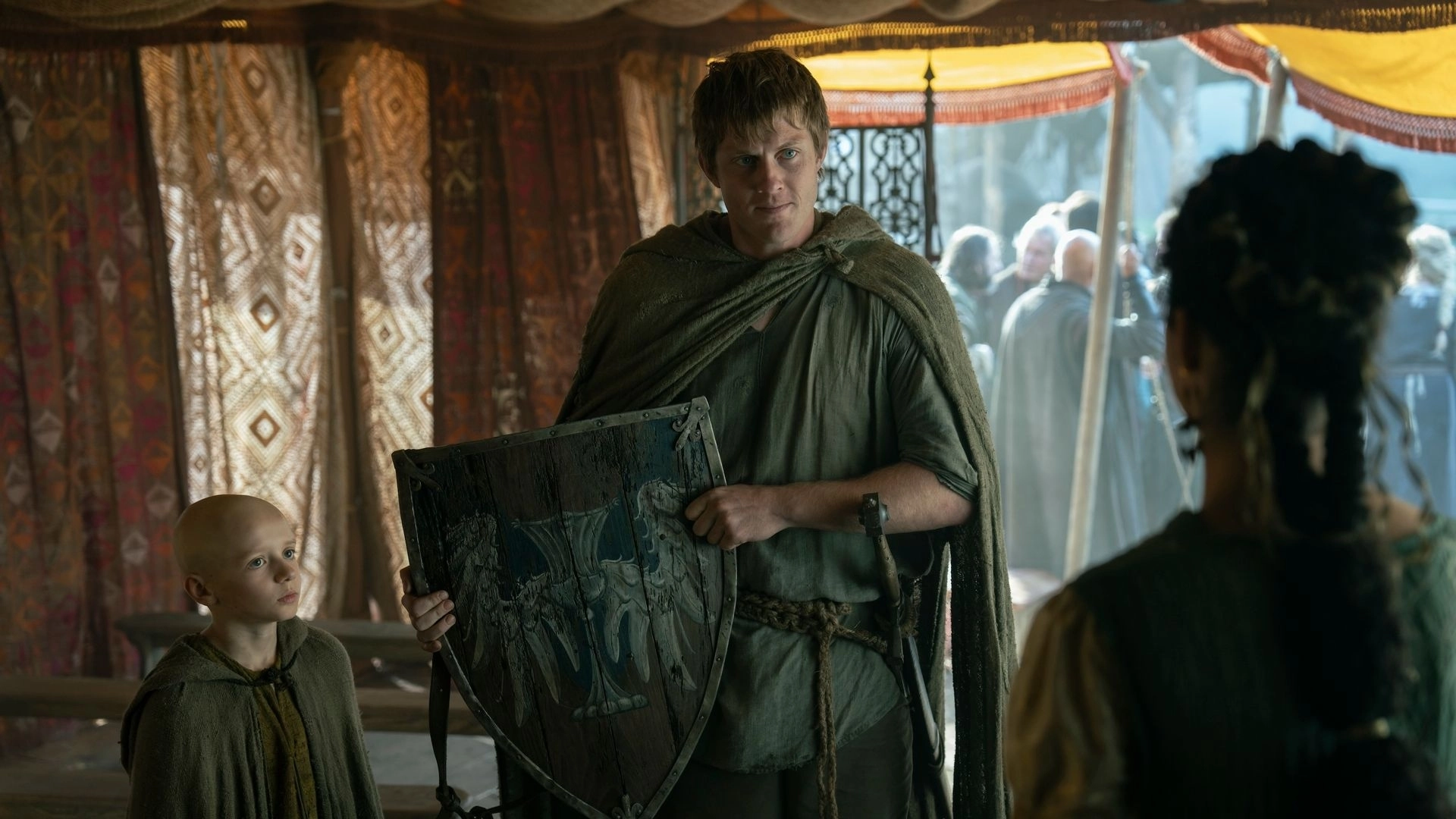
HBO’s A Knight of the Seven Kingdoms has quietly become one of the most critically praised entries in the Game of Thrones universe. Its fourth episode in particular has sparked intense online discussion, earning a remarkable 9.7 on IMDb and becoming the highest rated episode in the franchise since The Spoils of War from Game of Thrones season seven. For a prequel series built on a smaller scale and a more intimate tone, that number says a lot about how deeply it has resonated with fans.
A major reason for that success is how closely the show follows George R. R. Martin and his source material. Martin has long been vocal about the importance of respecting the spirit and structure of his stories, especially after the controversial ending of Game of Thrones. So far, A Knight of the Seven Kingdoms has been praised for honoring the emotional core of The Hedge Knight. But even the most faithful adaptation is not immune to missteps, and now the showrunner himself has admitted one.
What Scene From The Hedge Knight Was Left Out of the Show?
During a Reddit AMA, showrunner Ira Parker was asked about a specific scene from The Hedge Knight that did not appear in the television adaptation. The moment in question involves Dunk, played by Peter Claffey, and the blacksmith Steely Pate, portrayed by Youssef Kerkour.
In Martin’s novella, Dunk is on his way to a joust, fully expecting to lose and possibly die. At what feels like his lowest point, several smallfolk greet him with unexpected respect. Confused by their admiration, Dunk asks Steely Pate why they look at him that way. The blacksmith answers with a simple but devastating line: “A knight who remembered his vows.”
For many readers, that sentence is not just dialogue. It is the moral center of the entire novella.
Why Do Fans Believe This Scene Is the Soul of the Story?
The Reddit user who raised the issue argued that the impact of the scene comes not only from the line itself but from where it appears in the narrative. It arrives precisely when Dunk feels insignificant, defeated, and unworthy. In that moment, the respect of ordinary people reframes everything. Dunk is not defined by tournament victories or noble birth. He is defined by honor.
This idea is foundational to the Dunk and Egg stories. Unlike the grand political maneuvering of Game of Thrones, The Hedge Knight focuses on moral choice, personal responsibility, and quiet heroism. The phrase “a knight who remembered his vows” captures that theme in a way that is almost painfully direct.
For a show that has otherwise been praised for its fidelity, leaving out what many consider the novella’s defining line struck some fans as an odd decision.
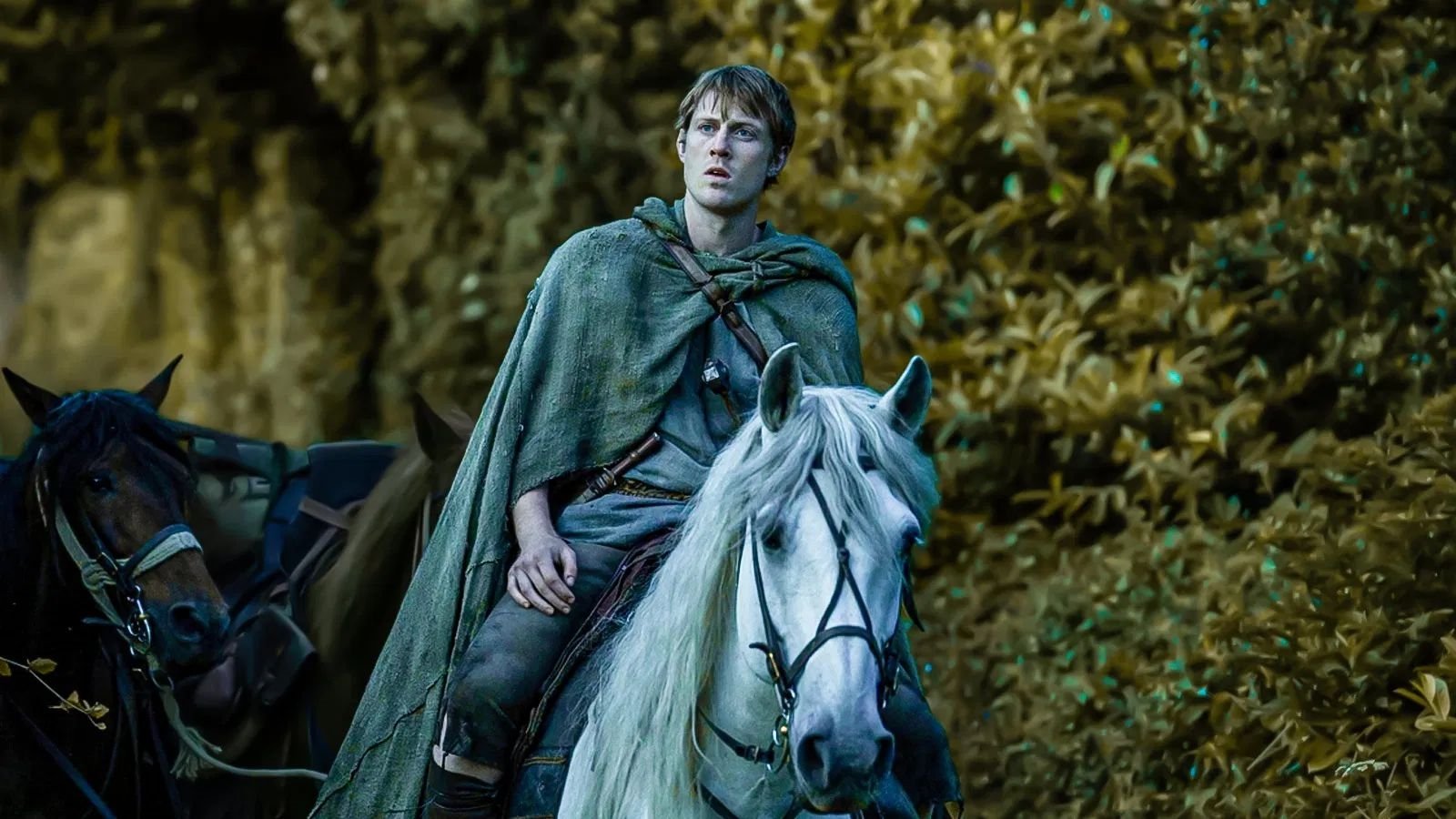
Why Did Ira Parker Admit It Was a Mistake?
Instead of offering a defensive explanation, Ira Parker responded with striking honesty. He admitted that the omission was a mistake. He explained that the scene was in the script at one point but eventually fell out during revisions. He also agreed that the idea of a knight who remembers his vows represents the soul of the story.
That kind of public acknowledgment is rare in franchise television. Showrunners typically defend every choice, even controversial ones. Parker chose the opposite route. He admitted fallibility and accepted responsibility without blaming production constraints or studio pressure.
Fans responded positively to that transparency. One Reddit user described his honesty as refreshing, a sentiment that reflects a broader fatigue with corporate messaging in franchise storytelling.
Does Removing the Scene Change Dunk’s Character Arc?
The more interesting question is whether the absence of that line actually weakens the adaptation. Parker argues that even though the dialogue was removed, Dunk’s actions throughout the series still embody the same principle. He may not be explicitly described as a knight who remembers his vows, but his behavior continues to reflect that identity.
From a narrative standpoint, that argument has merit. Television often relies more on visual storytelling and performance than on declarative dialogue. If Dunk consistently chooses honor over ambition, then the thematic message survives, even without the explicit phrasing.
However, adaptation is also about rhythm and placement. In Martin’s novella, the line lands at a carefully constructed emotional low point. Removing it alters that rhythm. The story may still function, but the moment of moral crystallization becomes more diffuse.
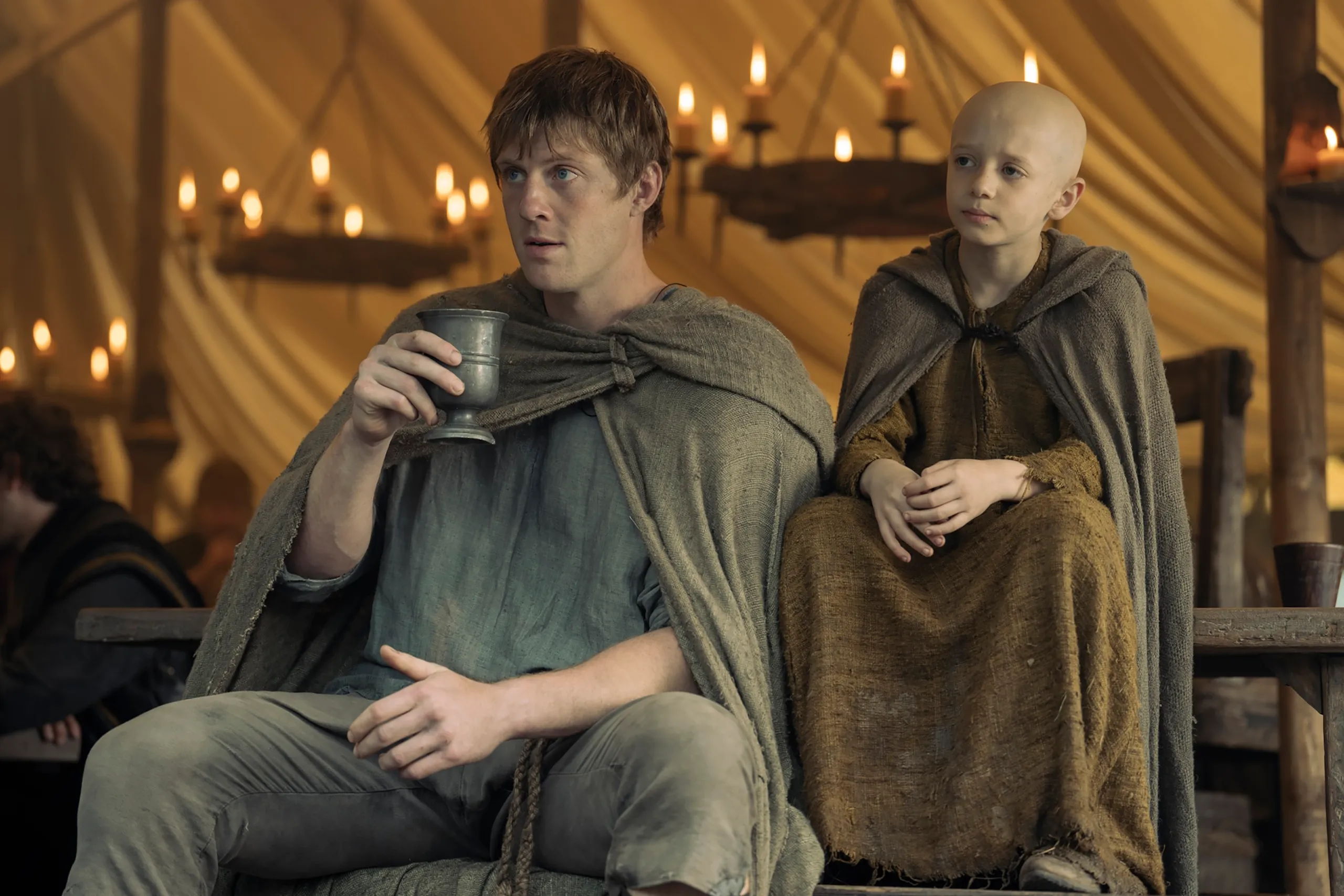
Why Has the Series Been So Well Received Despite This Change?
Despite this omission, A Knight of the Seven Kingdoms has been widely praised for its restraint and focus. Unlike Game of Thrones at its peak, the series operates on a smaller scale. There are fewer dragons, fewer battles, and far less spectacle. Instead, it emphasizes character, atmosphere, and ethical tension.
That shift in tone feels intentional. It also feels like a corrective. After years of escalating scale in fantasy television, audiences seem to be responding positively to something more intimate and morally grounded.
The high IMDb rating for episode four reflects that appetite. Viewers are not just looking for spectacle. They are looking for coherence and emotional authenticity.
What Did the Showrunner Reveal About Season Two?
In a separate interview with The Hollywood Reporter, Parker shared details about the upcoming second season. He confirmed that the episode count will remain at six and that the scope will not expand. In fact, it may even shrink slightly.
Interestingly, while the budget has technically stayed the same, inflation has increased overall costs. Additionally, the second book takes place during a drought, which creates logistical challenges. The production cannot rely on Belfast exteriors as easily and must shoot in sunnier, drier locations, increasing expenses.
Parker described season two as different in tone and structure. That suggests the series will continue to evolve rather than replicate the first season’s formula.
What Does This Mistake Reveal About Adapting George R. R. Martin?
Adapting Martin’s work is not just about transferring plot from page to screen. It is about preserving tone, thematic clarity, and moral weight. A single omitted line can feel seismic because Martin’s prose often condenses meaning into sharp, resonant dialogue.
At the same time, adaptation requires flexibility. Not every moment that works on the page translates directly to the screen. The tension lies in deciding which moments are structurally essential and which can be expressed differently.
By admitting the mistake, Parker implicitly acknowledges that certain lines carry more than narrative function. They carry philosophical weight.

Did the Show Truly Lose Its Moral Center?
The ultimate question is whether A Knight of the Seven Kingdoms lost something fundamental by excluding that exchange. If the show continues to portray Dunk as a man defined by his vows rather than his victories, then the spirit remains intact.
But readers of The Hedge Knight are not wrong to feel that something irreplaceable was missing. Some lines become iconic for a reason. They crystallize theme into memory.
In the end, Parker’s honesty may matter more than the omission itself. In a franchise often criticized for creative missteps handled defensively, an open acknowledgment of error signals something rare: creative accountability.
Do you think leaving out “a knight who remembered his vows” changed the emotional impact of the story, or does the series still capture the heart of The Hedge Knight without saying it outright?




News
Star Trek: Strange New Worlds Season 4 Is Coming to Paramount+ This Summer
Star Trek: Strange New Worlds Season 4 premieres July 23, 2026 on Paramount+. Paul Wesley returns as Kirk alongside Anson Mount in the penultimate season of the beloved series.

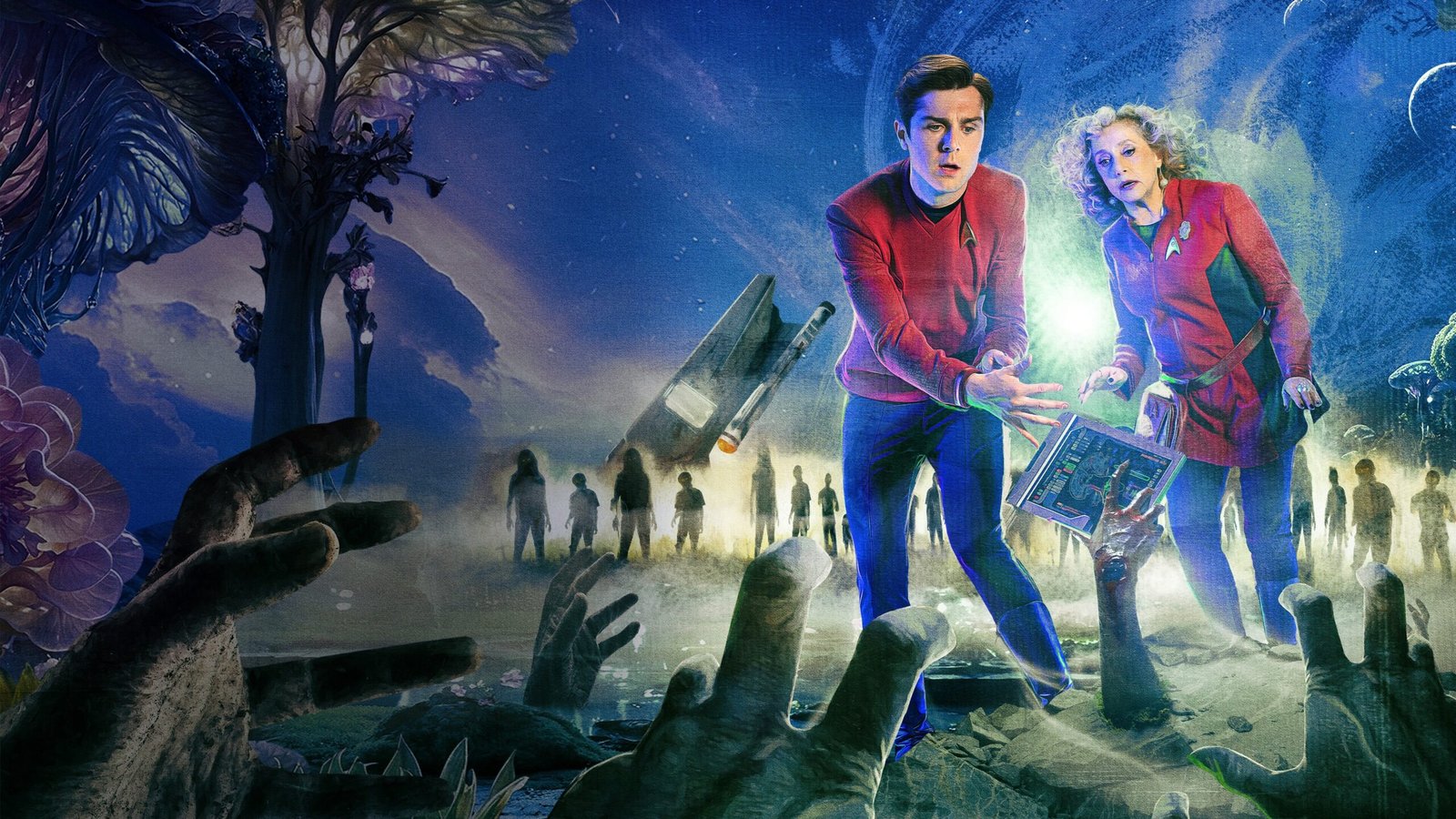
One of Paramount+’s most beloved flagship series is returning this summer. Star Trek: Strange New Worlds Season 4 premieres on July 23, 2026, on Paramount+, with new episodes dropping every Thursday through September 24. The season was officially announced at CCXP Mexico in April, where cast members dropped the exciting premiere date to a crowd of thrilled fans. With the fifth and final season already in production, Season 4 is shaping up to be a pivotal chapter in the series’ legacy.
What Makes Strange New Worlds Special?
Strange New Worlds is set aboard the USS Enterprise before the events of the original Star Trek series, following the adventures of Captain Christopher Pike and his crew. Unlike many modern Star Trek shows, Strange New Worlds embraced a classic episodic format from the very beginning — each episode largely standalone, exploring a new world, new challenge, or new moral dilemma. This approach was widely celebrated by longtime fans and newcomers alike, earning the series some of the best reviews in the franchise’s recent history.
The Cast Returning for Season 4
Anson Mount returns as Captain Pike, alongside Rebecca Romijn as Number One, Ethan Peck as Spock, Celia Rose Gooding as Uhura, and Jess Bush as Nurse Chapel. Crucially, Paul Wesley, who first appeared as James T. Kirk in the Season 1 finale, is confirmed to return in Season 4 — a development that has generated enormous excitement among fans eager to see more of his interpretation of the iconic character.
Season 4 Teaser and What to Expect
The official Season 4 teaser trailer was unveiled at CCXP Mexico on April 25, 2026, offering fans their first glimpse of what is to come. Season 4 will consist of 10 episodes, continuing the weekly release format that has defined the series. The season is expected to continue the show’s tradition of blending science fiction adventure with character-driven drama, philosophical questions, and the occasional genre-bending episode that Strange New Worlds has made its signature.
The Road to the Final Season
In a bittersweet piece of news announced alongside Season 3’s premiere in 2025, Paramount+ confirmed that a sixth-episode fifth season would serve as the series finale, bringing Strange New Worlds to a planned and deliberate conclusion. This means Season 4 is the penultimate chapter — and likely the season where the series begins to lay the groundwork for its farewell. For fans of the show, this creates a sense of urgency and emotional investment that makes Season 4 one of the most anticipated Star Trek events in years.
How to Watch and Release Schedule
Star Trek: Strange New Worlds Season 4 launches on July 23, 2026 exclusively on Paramount+. New episodes will arrive every Thursday through September 24, 2026. The series is available on Paramount+ in the US and on partner services internationally. If you are new to Strange New Worlds, all three previous seasons are currently streaming and make for essential viewing before Season 4 arrives.
Set your phasers to excited. Strange New Worlds Season 4 is just around the corner.
News
Sugar Season 2: Colin Farrell Returns to Apple TV+ With a New Mystery
Sugar Season 2 premieres June 19, 2026 on Apple TV+. Colin Farrell returns as John Sugar with a new missing persons case spiraling into a citywide conspiracy.
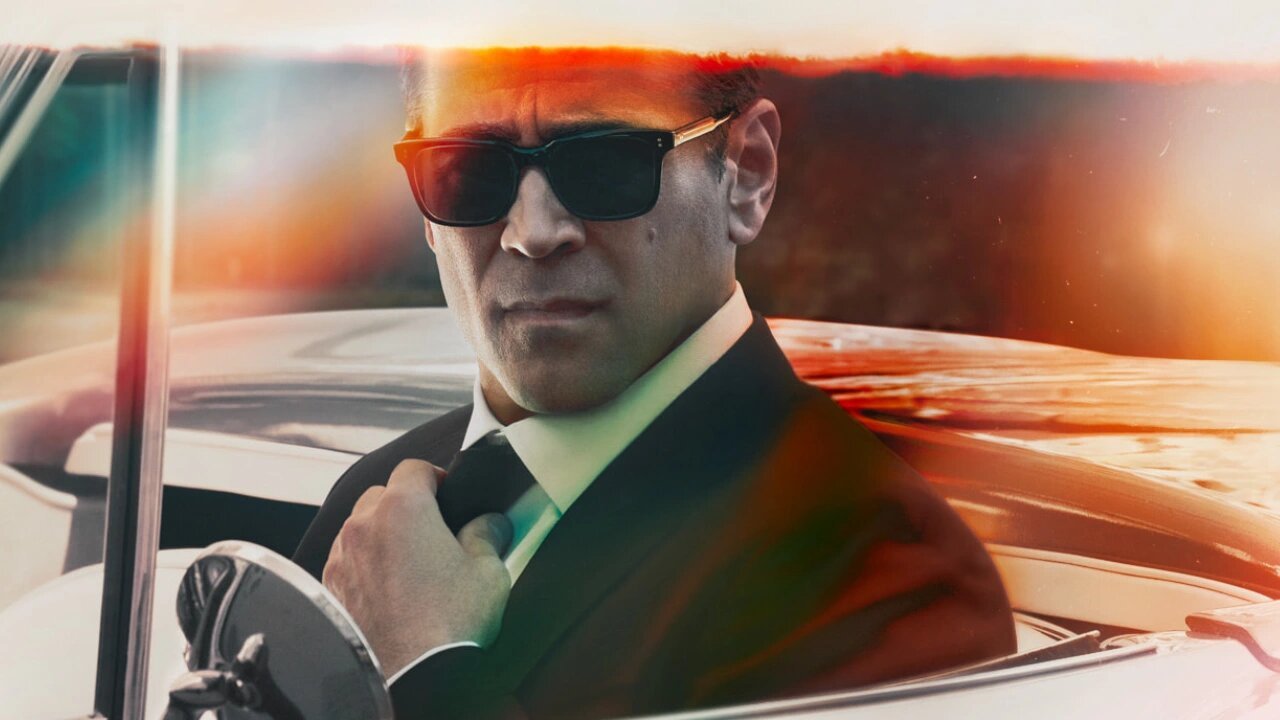
After a two-year wait, one of Apple TV+’s most stylish and surprising dramas is finally returning. Sugar Season 2 premieres on June 19, 2026, on Apple TV+, with one episode launching on premiere day and new installments dropping every Friday through August 7. Colin Farrell is back as John Sugar, Los Angeles’ most compelling private detective, and the stakes are higher than ever before.
What Is Sugar About?
Sugar is a contemporary, neo-noir take on the private detective story — filtered through a deep love of classic Hollywood cinema. John Sugar is a PI unlike any other: meticulous, melancholy, and deeply humane, with an encyclopedic knowledge of film history. Season 1 rocked audiences with a genuinely shocking mid-season revelation that recontextualized everything they had seen. Season 2 picks up in the aftermath of that revelation, with Sugar navigating a world that has become more dangerous and more personal than ever.
Season 2’s New Case
In the second season, Sugar takes on a new missing persons case — searching for the older brother of an up-and-coming local boxer. The investigation quickly expands into a citywide conspiracy with sinister intentions, involving two immigrants from Korea who are caught in its crosshairs. While pursuing this new case, Sugar also continues his desperate search for his beloved missing sister. The two storylines weave together in ways that force Sugar to ask himself one central question: how far will he go to do what is right?
New Cast Members Joining Season 2
Season 2 introduces an exciting array of new stars alongside Farrell. Jin Ha, Raymond Lee, Tony Dalton, Laura Donnelly, and Sasha Calle all join the cast in key roles. Their addition broadens the world of Sugar significantly — bringing new energy and new complications to a series that has always excelled at subverting expectations. Sam Catlin returns as showrunner, having taken over from the first season’s creative team.
Why You Should Be Watching Sugar
Sugar stands apart from the typical prestige drama for several reasons. It combines the pleasures of classic detective fiction with a genuine emotional weight, and Colin Farrell‘s performance is nothing short of revelatory — quiet, expressive, and utterly committed to the character’s strange interiority. The show also has an unmatched visual style, drawing on the aesthetics of golden-age Hollywood while placing its story firmly in the anxious, sun-drenched landscape of contemporary Los Angeles. Season 1 ended with a cliffhanger that begged for resolution, and Season 2 is positioned to deliver something even more ambitious.
Release Schedule and How to Watch
Sugar Season 2 launches on June 19, 2026 on Apple TV+. Following the premiere episode, new installments will arrive every Friday through August 7, 2026, for a total of eight episodes. The series is available exclusively via Apple TV+, which can be accessed on a wide range of devices. If you have not yet watched Season 1, now is the perfect moment to catch up before the new episodes begin.
John Sugar is back in Los Angeles, and the city has never looked more beautiful or more dangerous. Do not miss it.
News
Silo Season 3 on Apple TV+: Split Timelines, New Cast, and Everything We Know
Silo Season 3 premieres July 3, 2026 on Apple TV+. A split timeline exploring the silo’s origins, a stellar new cast, and Rebecca Ferguson back at her best.
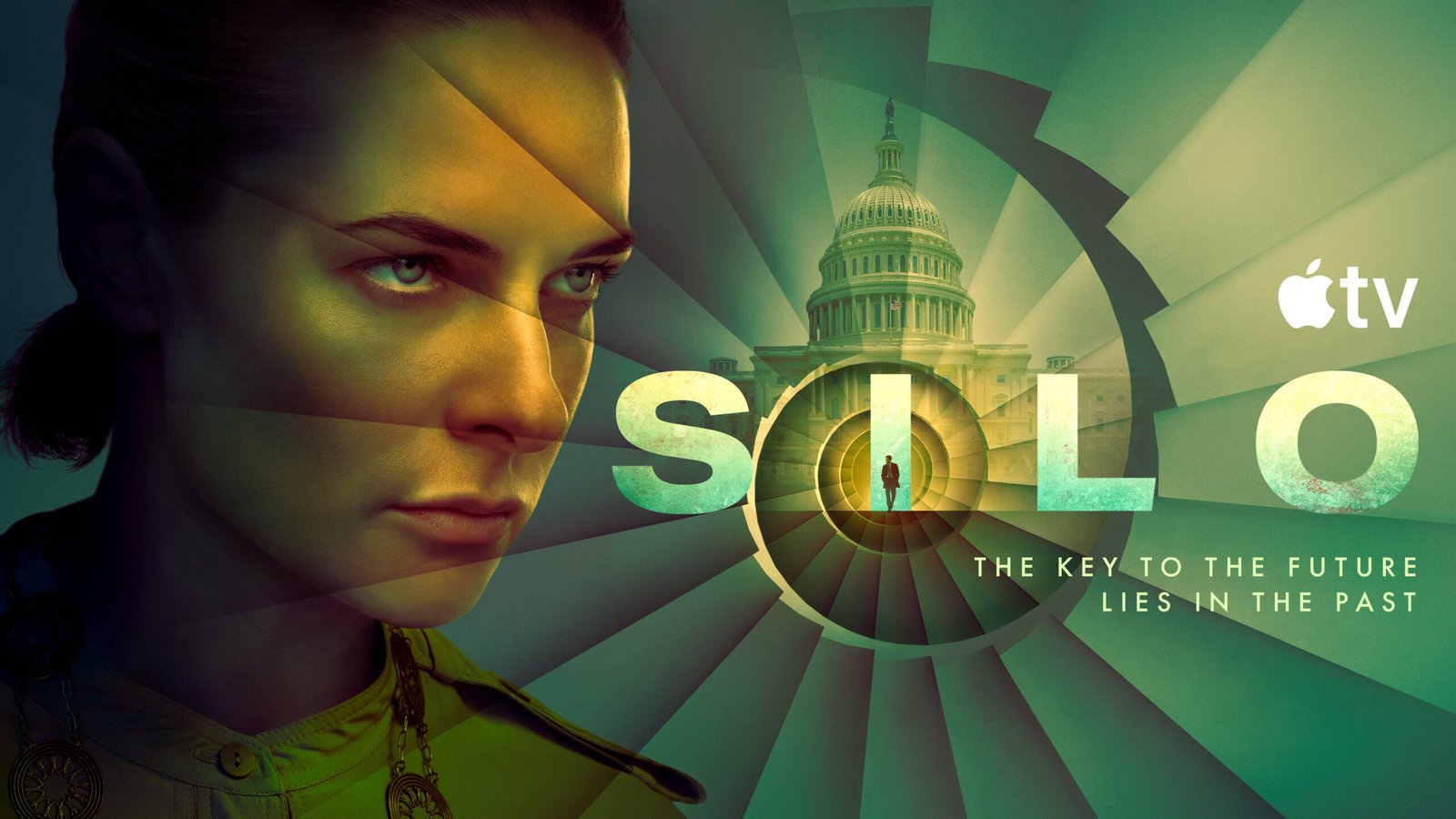
One of Apple TV+’s most gripping sci-fi dramas returns this summer. Silo Season 3 premieres on July 3, 2026, on Apple TV+, with new episodes dropping every Friday through September 4. After a pulse-pounding second season that ended with Juliette’s survival and the silo’s future hanging in the balance, the third chapter promises to be the most expansive and ambitious yet — introducing a split timeline that travels centuries into the past to reveal the origins of the silo itself.
What Happened in Season 2?
Juliette Nichols, played by the incomparable Rebecca Ferguson, survived her forced “cleaning” outside the silo but returned with severe memory loss. The silo itself is recovering from a deadly internal rebellion, even as a dangerous new threat begins to emerge from the shadows. The season finale left audiences with urgent questions: Who built the silo? Why? And what lies beyond what anyone has been told?
Season 3’s Split Timeline Premise
Season 3 is structured around two distinct timelines running in parallel. In the present, Juliette continues her struggle for the silo’s survival while grappling with her fractured memories. In the “Before Times,” journalist Helen Drew — played by Jessica Henwick — and Congressman Daniel Keene — played by Ashley Zukerman — uncover a vast conspiracy that pulls them into a chain of events with catastrophic, irreversible consequences. This origin story, set centuries before the events of the main series, promises to reframe everything viewers thought they knew.
New Cast Joining for Season 3
The returning ensemble remains strong: alongside Ferguson, the cast includes Common, Harriet Walter, Chinaza Uche, Avi Nash, and Steve Zahn, who reprises his role as Solo. The new additions are equally exciting: Laura Innes, Jessica Brown Findlay, Morven Christie, Reed Birney, Matt Craven, and Colin Hanks, set to recur. These additions suggest a significantly expanded world — particularly in the “Before Times” storyline.
The Release Schedule
Like previous seasons, Silo Season 3 follows a weekly release format. The first episode drops on July 3, 2026, with new installments every Friday through September 4, 2026, for a total of 10 episodes. This gives audiences the chance to savor each chapter and discuss theories week by week — a format perfectly suited to a show this rich in lore and mystery.
Why Silo Is One of the Best Shows on Television
Since its premiere in 2023, Silo has distinguished itself in a crowded field of dystopian dramas. Based on Hugh Howey‘s trilogy of novels, the series has been praised for its meticulous world-building, its refusal to take easy narrative shortcuts, and above all for Rebecca Ferguson‘s towering central performance. The show is a rare example of prestige sci-fi that trusts its audience — asking hard questions about power, truth, and the lengths to which humans will go to survive. Season 3 looks set to answer those questions in ways that will stay with viewers long after the finale.
Mark your calendars for July 3. Silo Season 3 is almost here, and it looks unmissable.


 Movies1 year ago
Severance Season 2 Release Date, Cast, and What to Expect from the Darker Return

 Movies1 year ago
Predator Badlands Release Date, Cast, Plot & What We Know

 News1 year ago
Sadie Sink Joins the MCU: First Look at Spider-Man: Brand New Day Set Photos

 News11 months ago
Jason Momoa to Lead New Apple TV Biker Series ‘Nomad’

 News2 years ago
Walter White’s Iconic Breaking Bad House Hits the Market for $4 Million

 Movies12 months ago
Jaafar Jackson Steps Into the Spotlight as Michael Jackson in the 2026 Biopic

 TV Shows11 months ago
Death Stranding Isolations: Everything to Know About the New Disney+ Animated Series

 Magazine11 months ago
Elizabeth Olsen Clears the Air on Wanda’s MCU Future